New insights into DNA damage and aging
Researchers are increasingly interested in the role of DNA damage in aging. The idea is that repeated responses of the body to damaged DNA can lead to changes.
Researchers are increasingly interested in the role of DNA damage in aging. The idea is that repeated responses of the body to damaged DNA can lead to changes.

Scientists have developed a promising method to measure aged cells in the body without having to remove tissue. Using Raman microscopy, a imaging technique that uses light to create a three-dimensional image of objects, they were able to measure the age of cells in the body without removing any tissue.

Researchers have looked at the DNA of animals that age and compared it with that of animals that live shorter lives. They discovered that genetic parts related to cancer are more common in
Researchers have discovered that a special bacterium that produces magnetic properties can significantly extend the lifespan of nematode worms. In their research, these worms lived more than 40 percent longer than normal.
As we get older, the damage to our cells increases. Especially the energy factories in cells, the mitochondria, function less well. This can reduce the heart’s energy supply and
Researchers are looking at how certain substances in our cells contribute to ageing. Mitochondria, the powerhouses of cells, produce not only energy but also small amounts of reactive oxygen species. One of these is called superoxide.
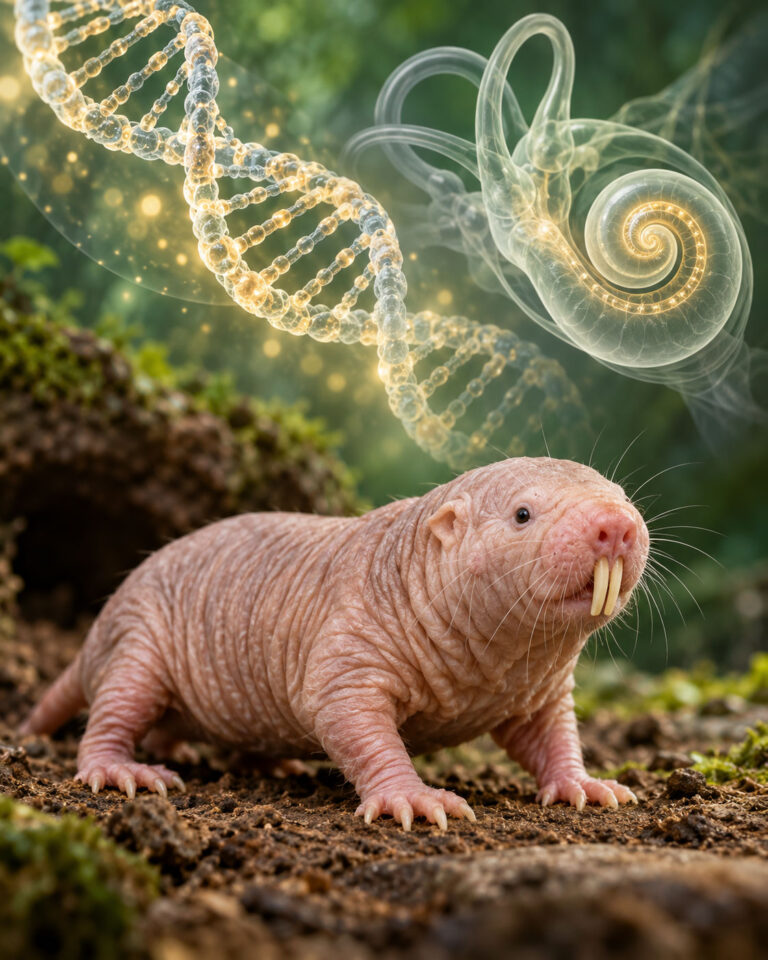
Scientists are researching genes of long-lived animals to better understand the ageing process. One of these animals is the naked mole-rat, known for its exceptional health and long lifespan. They contain

Researchers have long struggled with the lack of a reliable way to accurately determine biological age or the rate of ageing. This makes developing

A newly developed drug can remove old and damaged skin cells and thereby counteract skin ageing. This drug was tested on older mice, which thanks to the treatment healed their skin wounds much faster

Research shows that people who consumed less sugar in their youth were healthier later in life. This was investigated by looking at the period just after the
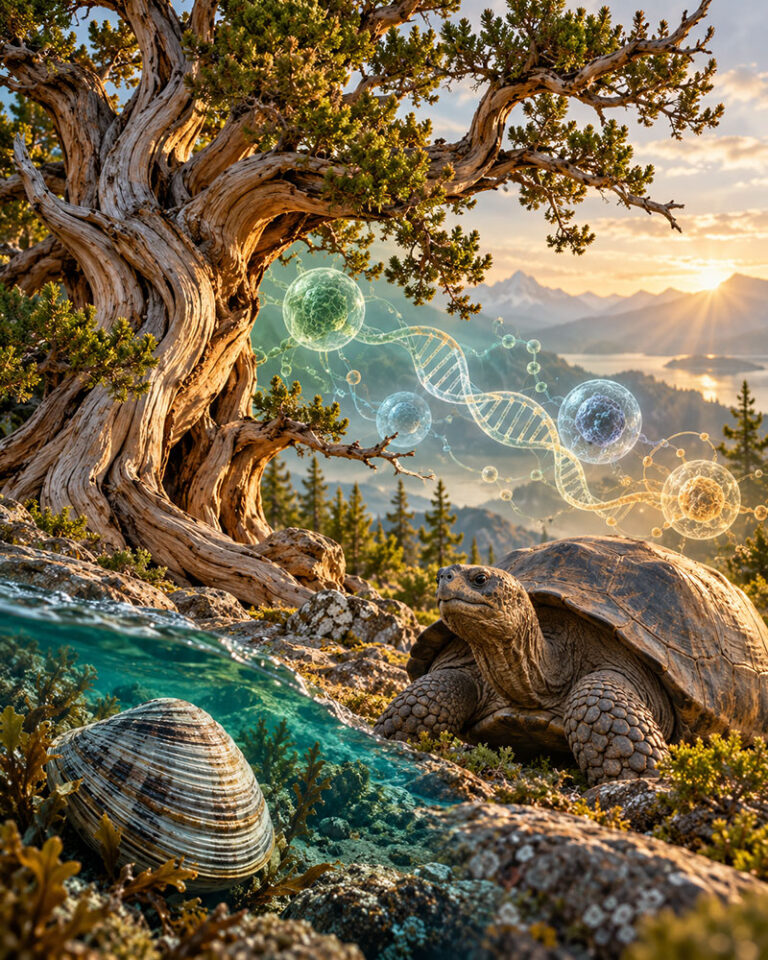
Scientists investigated which biological processes play a role in the lifespan of animals that can become very old, such as some plants and animals that live for more than 250 years. They did not look

Researchers have discovered that disabling the protein cGAS in a short-lived fish species inhibits the progression of cellular ageing. This protein plays a role in detecting DNA at

Researchers have demonstrated that good heart health around the age of forty is associated with better health at a later age. In a large research project, thousands of people were followed

As we grow older, a group of cells known as senescent cells accumulates in our bodies. These are cells that no longer divide and at the same time release inflammatory signals. These

Scientists have been working for decades on ways to slow down or even reverse the ageing process. Important research in mice shows that switching off the growth hormone receptor

Researchers have discovered an important protein that may help in combating ageing. This protein, called Menin, decreases in the brain as we age. In mice,

Prolonged exposure to the sun causes skin ageing, also known as photo-ageing. This leads to changes such as wrinkles, dull skin and increased susceptibility to skin cancer. Despite existing treatments such as retinoids

Scientists are increasingly emphasising that just looking at how long people live or how long they remain healthy is not enough. An emerging new concept is ‘healthspan’, or rather

Our DNA, the carrier of hereditary information in our cells, is constantly subjected to damage. Fortunately, the vast majority of this damage is quickly repaired. Nevertheless, there remains a

In our bodies, senescent cells ensure that damaged or old cells do not divide further. These cells play an important role in preventing cancer and help with

Our body produces substances daily that can cause cell damage. These substances mainly arise during energy production within the cells. Normally, our cells repair this damage

Researchers and advocates of anti-ageing therapies are increasingly focusing on the economic benefits of these treatments. They claim that reducing and potentially reversing old age could yield major cost savings

Recent research shows that older adults can lower their biological age within four weeks by changing their diet. Biological age refers to how old the body feels functionally,

A recent study has discovered a new protein that plays an important role in the ageing process in our cells. This protein, PTCHD4, was until now virtually unknown in the