Body support
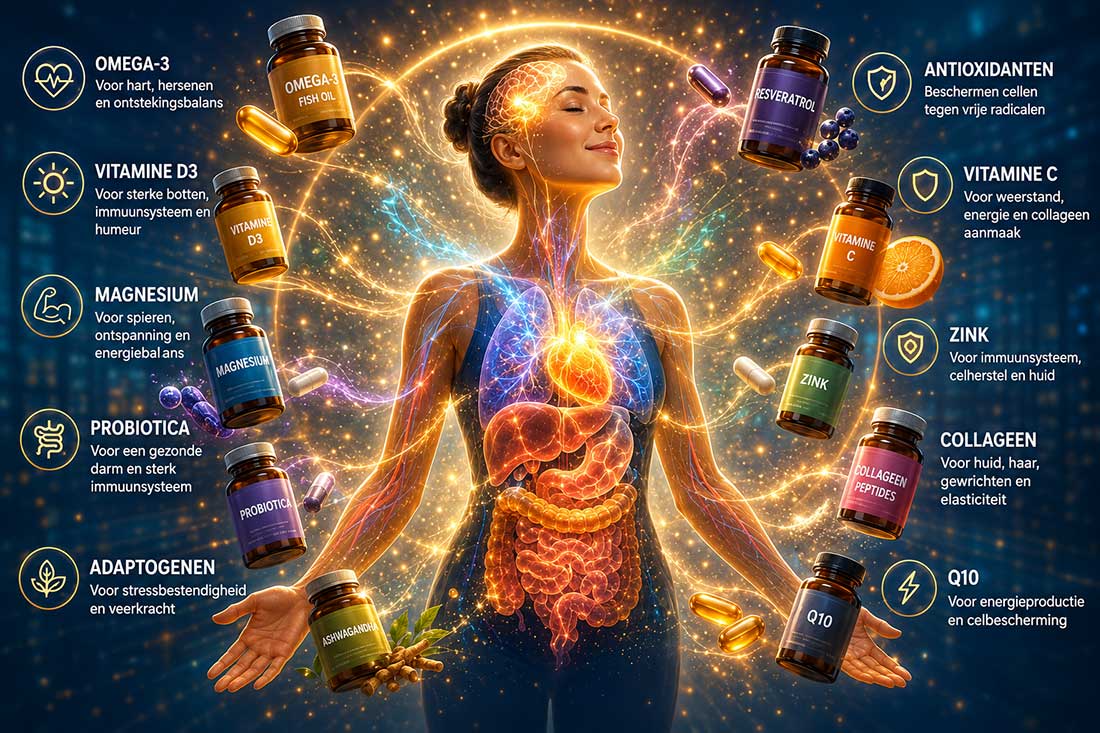
What a fine image. But are all the supplements mentioned actually good? The following supplements are generally accepted

Remarkable!
To understand which supplements encounter “no” opposition, we need to look at the consensus within the conservative, evidence-based medical world (such as Stanford and Harvard). The supplements that are widely accepted there for longevity and healthspan have one thing in common: zthey do not focus on a hypothetical “rejuvenation promise” in 30 years' time, but on measurably slowing down the physical pillars of ageing here and now.
The medical world is very clear: you can try to turn back biological clocks with NMN, but if in the meantime you lose muscle cells (sarcopenia), your blood vessels calcify, or your bones become brittle, you are losing the battle for a healthy old age.
The following four supplements face virtually no opposition and are widely recognised for their proven contribution to a long and vital life:
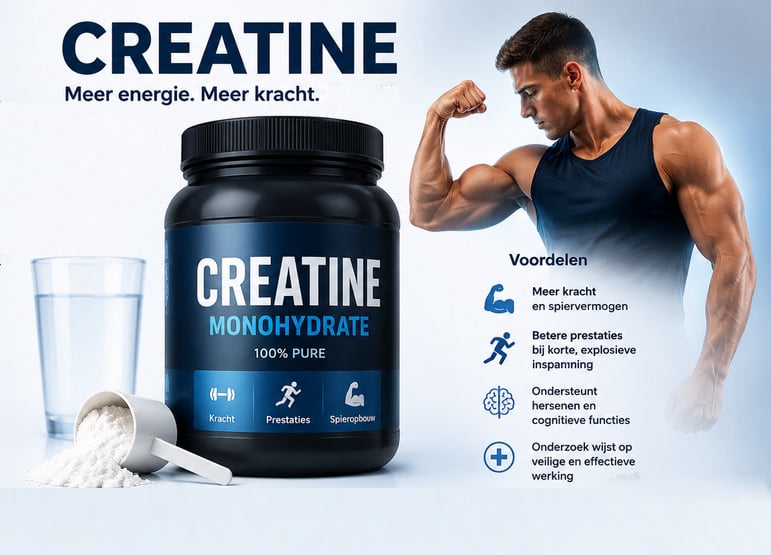
1. Creatine (Monohydrate)
Formerly seen purely as a supplement for bodybuilders, but now an absolute favourite in longevity science.
Why generally recognised?
One of the biggest threats to old age is sarcopenia (the natural loss of muscle mass and strength). Loss of muscle mass leads to falls, bone fractures and a rapid decline.
How it works: Creatine directly supports ATP production (cellular energy) in the muscles. Hundreds of human studies show that (in combination with strength training) it effectively maintains muscle mass and muscle strength in the elderly.
Extra longevity benefit: There is a growing body of clinical evidence that creatine also supports energy metabolism in the brain, which helps to maintain cognitive function and combat mental fatigue.
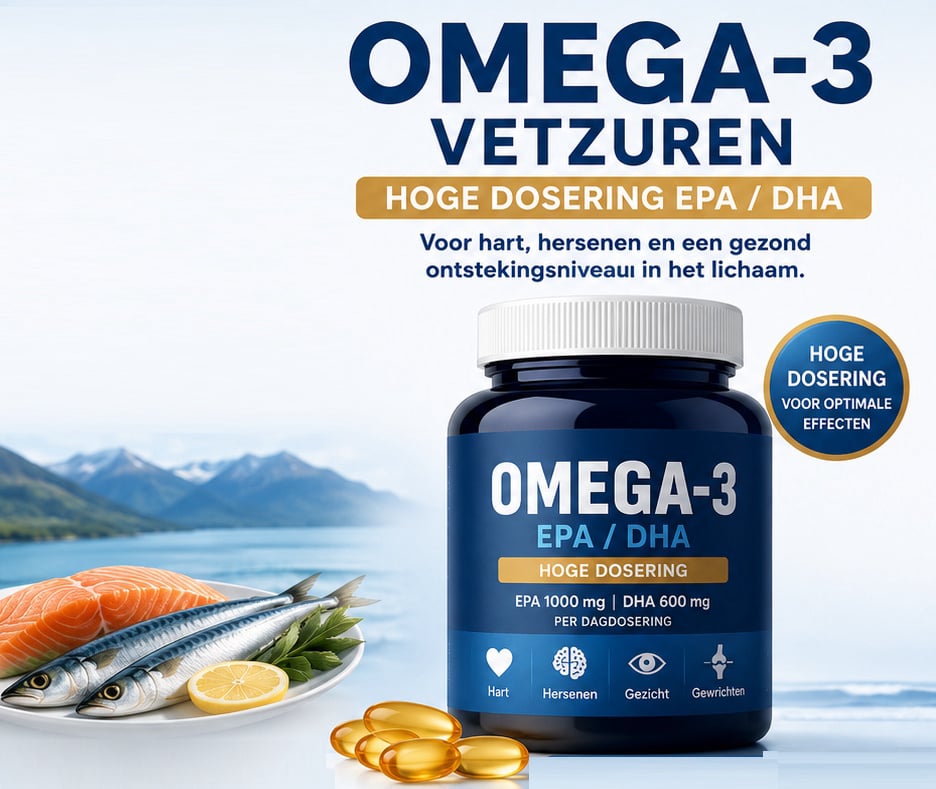
2. Omega-3 Fatty Acids (High dose EPA / DHA)
High-quality fish oil (or algal oil) is undisputed when it comes to protecting vital systems during ageing.
Why generally recognised?
There is an overwhelming amount of data (cohort studies involving tens of thousands of participants) showing that higher blood omega-3 levels directly correlate with lower overall mortality and a higher life expectancy.
How it works: It tackles one of the key ‘pillars of ageing’: inflammaging (the chronic, low-grade inflammation that increases as we get older). In addition, it keeps cell walls flexible, supports cardiovascular health (clean blood vessels) and protects brain structure (which largely consists of fats).
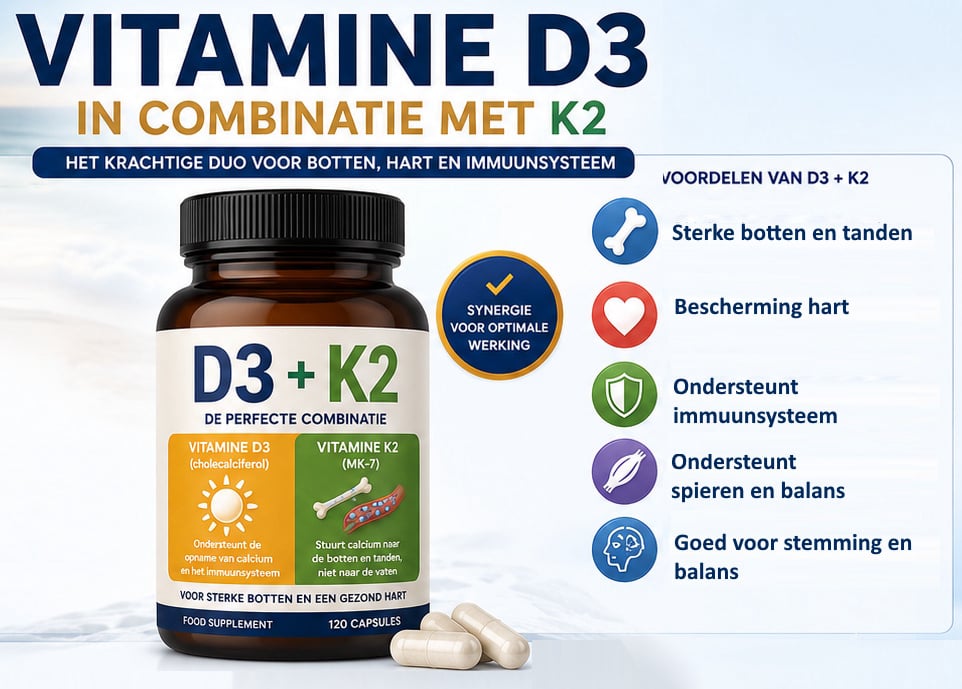
3. Vitamin D3 (in combination with K2)
Although vitamin D is often referred to as an ordinary vitamin, in the body it actually acts more like a pro-hormone that influences many biological processes.
Why generally recognised?
The production of vitamin D via the skin decreases as we get older. Furthermore, a vitamin D deficiency is common, especially among the elderly and people who get little sunlight. A deficiency is associated with weaker bones, muscle weakness, a less effective immune system and possibly also cognitive decline.
How it worksVitamin D helps with the absorption of calcium and supports genes and processes involved in bone formation, muscle function and the body's immune system.
The important K2 nuance: Increasingly, it is recommended to combine vitamin D3 with vitamin K2. Vitamin D3 increases the absorption of calcium, whilst vitamin K2 helps to ensure that calcium ends up in the right place, namely in the bones and teeth. This potentially prevents calcium from accumulating in blood vessels and other soft tissues. The idea behind this combination is therefore to support both bone and cardiovascular health.
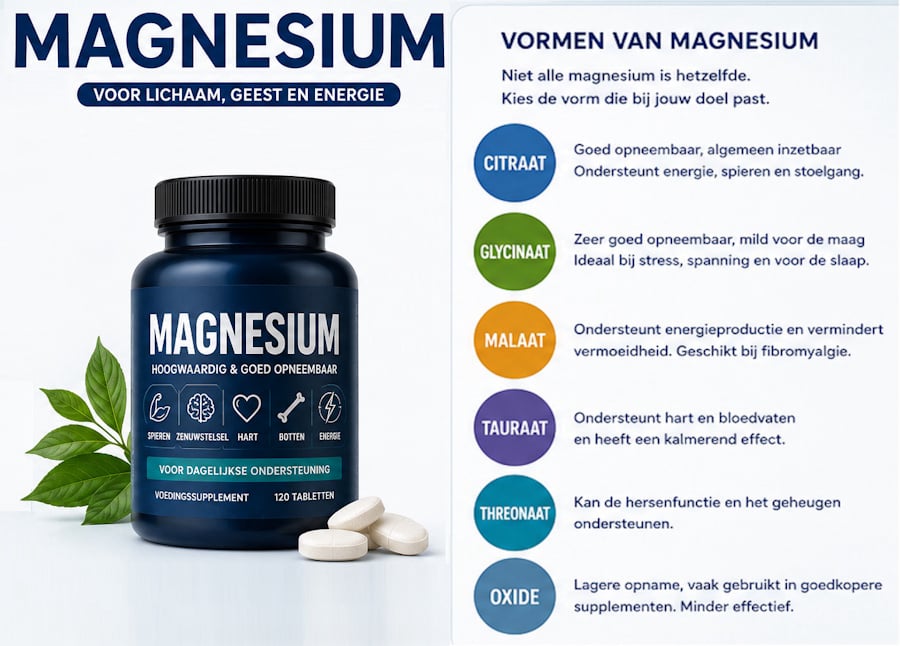
4. Magnesium (Glycinate or Malate)
Magnesium is involved in more than 300 enzymatic reactions in the human body, including DNA synthesis and ATP metabolism.
Why generally recognised?
Large-scale epidemiological studies (including meta-analyses following more than a million people) show a direct linear relationship: a healthy magnesium status is linked to a significantly lower risk of cardiovascular disease and premature death.
How it works: It restores insulin sensitivity (crucial for metabolic health as we age), regulates blood pressure, supports deep sleep (during which cellular repair takes place) and is essential for activating vitamin D3 in the body.
Why these fabrics do stand the test of time
The fundamental difference from substances such as NMN or Resveratrol is the type of evidence. Whereas NMN often gets bogged down by the question of whether it reaches the human cell stably, the pathways of creatine, omega-3, magnesium and D3/K2 are thoroughly understood. The body knows exactly how to transport and utilise these substances. They do not try to ‘hack’ natural biology with synthetic molecules, but rather optimise the fundamental building blocks that the body needs to avoid premature decline.
Finally, we would like to issue another warning against misuse.

State why these general supplements are widely recognised
Question 1: Creatine
Answer: One of the greatest threats to a long life is *sarcopenia* (the natural loss of muscle mass and strength). Loss of muscle mass leads to falls, bone fractures and rapid decline.
Question 2: Omega-3 fatty acids
Answer: There is an overwhelming amount of data (cohort studies involving tens of thousands of participants) showing that higher blood omega-3 levels directly correlate with lower overall mortality and a higher life expectancy.
Question 3: Vitamin D3 (in combination with K2)
Answer: The production of vitamin D via the skin decreases as we get older. Furthermore, a vitamin D deficiency is common, especially among the elderly and people who get little sunlight. A deficiency is associated with weaker bones, muscle weakness, a less effective immune system and possibly also cognitive decline.
Question 4: Magnesium
Answer: Large-scale epidemiological studies (including meta-analyses following more than a million people) show a direct linear relationship: a healthy magnesium status is linked to a significantly lower risk of cardiovascular disease and premature death.