
What to do?
What to treat and what not?
This course is not intended for you to start “playing doctor”. Specialist work should be left to the specialist. Therefore, when it comes to disorders such as sleep apnoea and restless legs, a consultation with your GP is the first route you will need to take.
What do we cover then?
We primarily want to focus on matters such as: insomnia, poor sleep, in short, everything that clearly relates solely to sleep.
Around 40% of older people struggle with persistent insomnia.

A kick-off with a number of key tips
The top tips
1. If you are restless in bed, do not toss and turn, but get up for a moment;
Don't go to bed if you're not tired yet, because then you'll start wide awake and that doesn't help;
3. Try to stick as closely as possible to a regular schedule for going to bed and getting up: your body clock adapts to that rhythm;
4. Wind down a bit before you go to sleep. Stop busy activities in good time (at least half an hour beforehand) and take the time to do something else that brings you calm;
5. Try to prevent rumination by thinking about your problems during the day and, above all, see if you can discuss those problems with someone else: bottling things up mentally is very bad. You cannot stop rumination, but you can learn to schedule the time for it, as it were;
6. Ensure you do not look at screens such as a TV, laptop, or phone for an hour before going to bed;
7. A familiar one: if caffeine and nicotine (smoking) keep you awake, avoid them after 6 in the evening. Also, do not have black tea, cola or an energy drink;
8. Try to distract your mind in bed; think of nice things;
9. Are you constantly looking at the alarm clock to see what time it is… then turn that alarm clock around;
10. Avoid sleeping pills.
11. make sure you experience as much light as possible during the day (for example, go for a walk in the afternoon: daylight is very good. There are also special lamps available for light therapy).
A short nap (the so-called power nap) is fine, but only before 3:00 pm
In general, make sure your body clock is in order:
Align your day and night rhythm with your own biological clock;
2: ensure sufficient sleep pressure. Also, make sure that your sleep need is consistent with the duration you spend in bed. Of course, it makes no sense at all to spend 9 hours in bed if your sleep need is only 6 hours.
3: ensure peace of mind and body. The latter is a key point and more about that now.
A tip is all very well... but how do I actually get rid of my problems?
We have already indicated that medication is certainly not the solution. The use of medication does not address the underlying cause, and when attempting to stop taking the pills, it appears that the symptoms persist unabated or are even temporarily somewhat more severe.
This can lead to medication addiction and so the remedy is worse than the disease.
But what then?
In fact, you can split the approach into:
1 above-mentioned tips which are generally considered to be effective. Note that a number of these tips are also clearly linked to a psychological perspective (4, 5 and 8);
an approach specifically focused on behavioural change whereby sleep problems can be better controlled. An important approach is known as cognitive behavioural therapy. The core of this therapy is that people are not so much troubled by a particular situation, but rather by the way they experience that situation and what their thoughts about it are.
3 relaxation exercises: Mindfulness or yoga specialists will state that their approach is a good one to achieve improvement in sleep problems. It is certain that these types of exercises have a positive effect.
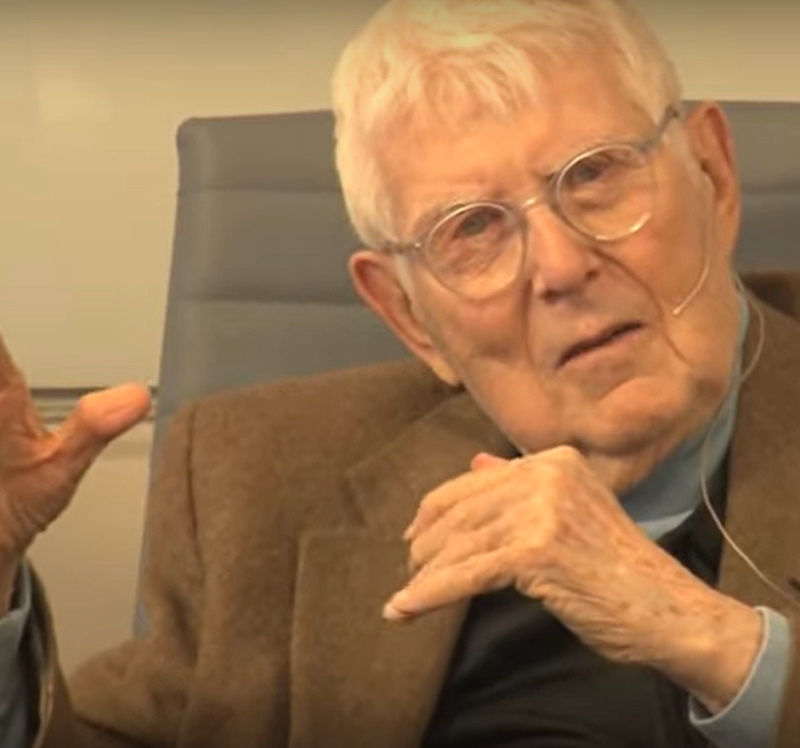
Aaron Beck (YouTube: Dr. Aaron Beck’s Transition from Psychoanalysis to Cognitive Theory)
Cognitive behavioural therapy and related approaches
According to cognitive behavioural therapy, it is primarily “how you experience things, in short your view of the situation” that leads to the real problems. What is important in this therapy is that it is not denied that a certain event or situation is unimportant, but that it really is the way in which you experience this that is linked to the problem that you experiences. In short: it is not the situation itself, but how you think about that situation, that can make it a major problem.
Important elements in cognitive therapy treatment are the adjustment of expectations, for example, how long you need to sleep and whether it is normal to lie awake for that long.
This treatment method is very well known in psychology. The treatment method was developed by the American psychiatrist Aaron Beck (see photo). Beck was a professor at the Department of Psychiatry at Pennsylvania. He wrote more than 600 articles about his research and is internationally regarded as one of the most important founders of modern psychiatry.
The following video shows the background to this therapy. "Experiencing pain" has been taken as an example here, but it is just an example. Once again, the therapy stands for addressing problems and reducing the unpleasant feelings that a person experiences. The approach of cognitive behavioural therapy is general, and therefore also applicable to sleep problems. It goes without saying that the help of an expert in this field is required for this. You can check with your GP how you could opt for such treatment.
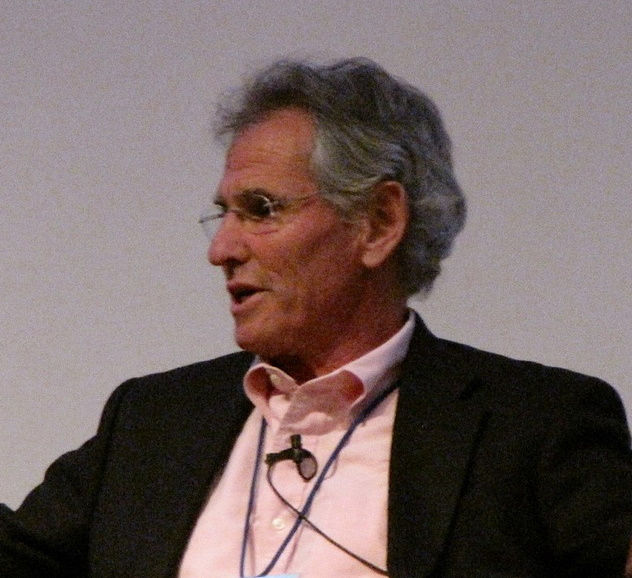
John Kabat-Zinn
Mindfulness
Mindfulness as a method for unpleasant feelings (stress, pain, anxiety, sleep problems, etc.) was put on the map by John Kabat-Zinn. Kabat-Zinn (see photo) was the founder and director of the Stress Reduction Clinic at the University of Massachusetts Medical Center. In the late 1970s, he was inspired by certain meditation exercises. He wanted to use them for patients in pain (particularly cancer patients) for whom other methods apparently no longer brought relief. Mindfulness is based on a remarkably simple idea and that, in combination with the clear successes, is certainly the reason for the enormous impact of this method.
The basis is:
– try to concentrate completely on the moment you are “in” now (the present);
– try to experience that and do so without attaching a value judgement (right or wrong) to it.
The following video shows a short explanation.
Now an example of a mindfulness exercise YouTube: Mindfulness to let go of your worries and thoughts (10 min) You will notice that there are many moments of silence, which is necessary to "merge" into the meditation.

Advance warning
The Dutch are often very down-to-earth. All that meditation just comes across as a bit woolly, or so the thinking goes. It’s clear that if you keep that in mind, you won’t get anything out of this sort of exercise. That’s a shame, because these meditation techniques are actually really helpful in reducing your problems.

Even more possibilities
All sorts of meditation programmes are offered. Anyone who searches on YouTube will find dozens of them. These can also be videos or audio recordings that relax, and we know how important being able to relax is.
Here are a couple of examples.
Example 1: a sound meditation
Example 2: music to relax to before going to sleep

Answer first and only then click on the question to see what our answer is
Question 1: According to the text, when must you definitely see a GP instead of playing doctor yourself?
Answer: When it comes to specific disorders such as sleep apnoea and restless legs.
Question 2: According to the text, what is the main reason for not using sleeping pills (medication)?
Answer: Medicines do not tackle the underlying cause, can lead to addiction, and upon stopping, the symptoms return unabated or even more severely (the cure is worse than the disease).
Question 3: Who is the founder of cognitive behavioural therapy mentioned in the text?
Answer: The American psychiatrist Aaron Beck.
Question 4: What is the underlying idea behind Mindfulness, as set out by John Kabat-Zinn?
Answer: Try to focus entirely on the moment you are “in” now (the present), to experience it and to do so without attaching a value judgment (good or bad) to it.
Question 5: According to the text, what is the biggest mistake people make after going through the information?
Answer: Just including the necessary information and then simply continuing with where they left off instead of taking action.