Problems

Overview of the most common issues
The most common sleep problems are:
– being unable to fall asleep;
– often waking up early;
– the feeling of not having slept while you actually have;
restless legs
– nightmares
Not being able to fall asleep
There can be many reasons why someone has difficulty falling asleep. Some common causes are:
1. Stress of angst: Ruminating on certain events or dreading upcoming commitments can make it difficult to fall asleep.
2. Unhealthy sleep habits: Staying up late, looking at electronic screens right before bedtime, or following an inconsistent sleep schedule. All these things can disrupt your body's natural sleep-wake cycle and make it harder to fall asleep.
3. Medical conditions: Certain medical conditions, such as sleep apnoea, restless legs syndrome and chronic pain, can disrupt falling asleep.
4. Medicines: Some medicines, such as stimulants, can seriously disrupt falling asleep.
5. Environmental factors: Noise, light and temperature can all affect sleep quality.
Everyone will have experienced such a moment of “difficulty getting to sleep" at some point. It becomes a real sleep problem when it occurs for months on end. This sleep problem is known as sleeplessness or insomnia. Insomnia can be caused by various factors, including stress, anxiety (ruminating/worrying), unhealthy sleep habits, medical conditions and medications.

Time to wake up: problem or no problem?
It is normal to experience periods of wakefulness during sleep. It is therefore not necessarily a problem. We saw that the sleep cycle includes different stages of sleep, including rapid eye movement (REM) sleep and non-REM sleep. Non-REM sleep has several phases and during each phase the brain and body undergo specific changes. Phase 1 is the transition from wakefulness to sleep, and it is common to experience short periods of wakefulness during this phase. In fact, it is therefore normal to be briefly awake multiple times throughout the night.
However, if you notice that you regularly wake up at night and cannot fall back asleep, or if you have considerable difficulty falling back asleep or staying asleep, this may be a sign of a sleep disorder or another underlying medical condition. .
Waking up too early much earlier… is that a serious sleep problem?
Waking up earlier than desired can be a sign of a sleep problem, but if it is only for a short period, it is not considered a sleep problem. However, it can also have other causes such as lifestyle or environmental factors. Some common causes of waking up too early are:
InsomniaDifficulty falling asleep or staying asleep can lead to waking up earlier than desired.
Sleep scheduleIf you have an inconsistent sleep schedule or do not get enough sleep, you may wake up feeling tired and restless.
Exposure to light: Exposure to light can affect the production of the hormone melatonin in your body, which helps to regulate sleep. If you are exposed to light at the wrong times, this can cause you to wake up earlier than desired.
Stress of angst: emotional stress can lead to difficulty falling asleep or waking up too early.

Warning
In the preceding section, we constantly refer to “problems”, and that has a stigmatising effect. For example, we stated earlier that – particularly among older people – it is fairly normal not to sleep as deeply anymore and to wake up more often. The moment we view this as a problem, it becomes a problem.
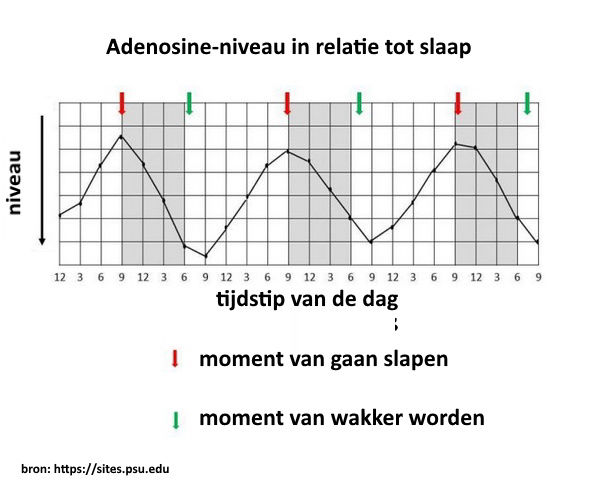
Sleep pressure/sleep hunger and adenosine
We came across the term sleep hunger earlier. With sleep hunger, a comparison is made with the feeling of hunger we know with food. Another name for it is sleep pressure. During the day, our brains produce a substance known as adenosine. This substance causes sleep hunger. When we sleep at night, the amount of adenosine is broken down again. If the production of adenosine is disrupted, for example by sleeping for a long time during the day, it will certainly lead to sleep problems at night.

DNA structure
Genetic factors
Generally, women suffer more from poor sleep than men. The reason lies in the hormones linked to being male or female. A woman's hormonal balance can be disrupted during the menopause.
But besides these male-female differences, there are individual differences that are related to who we are, or to use a big word, linked to our genes. In addition, personality traits are at issue. Extensive psychological research has established that our personality traits can be mapped on 5 axes. These are referred to by the English expression OCEAN described
O van openness, are you open to new ideas or are you mostly conservative;
Q: van control: are you a control freak or do you usually just roll with it;
E: Are you extroverted or introverted?;
A: Are you “agréable” (an agreeable person who cares a lot about others) or rather very egocentric/individualistic;
N: do you often suffer from negative feelings or are you always well and truly grounded.
Many individuals characterised by a high C and a high one N suffer from sleep problems. In that sense, that is genetically determined because those traits are, after all, interwoven into your DNA.

conflicting feelings
The feeling of not having slept while you actually did
This can indeed be a symptom of the sleep disorder known by the English name non-restorative sleep (NRS). NRS is a condition in which a person wakes up tired and unrefreshed, even after getting what appears to be a full night's sleep. This can be caused by various factors, including known sleep disorders such as insomnia or sleep apnoea, and other conditions that disrupt sleep, such as anxiety, stress or depression.

Triggering factors
Precipitating factors include those factors that can actually cause insomnia. Just think of:
– the loss of a partner;
– the occurrence of financial problems, for example due to job loss;
– problems experienced by others with whom we have a strong bond.
We call those factors “triggering” because they have an aggravating influence on sleep problems.
During an investigation at a sleep centre, a sleep/wake diary is always used. Below, purely for illustration, is an example from such a diary.

Other issues
nightmares
Troubled by bad dreams
Often it is a matter of nightmares. Nightmares are a type of sleep disorder that are characterised by vivid, disturbing dreams that often contain themes of danger, loss or fear. They can be caused by various factors, including stress, anxiety, depression and certain medications.
If you or someone you know experiences regular nightmares, it is important to speak to a healthcare professional. They can help identify the cause and recommend treatment options, including lifestyle changes, such as reducing stress or improving sleep hygiene, or the use of medication or other therapies.
In some cases, nightmares can be a symptom of a sleep disorder, such as REM (Rapid Eye Movement) sleep behaviour disorder, which is characterised by physically acting out dreams during sleep. This can be dangerous as it may lead to sleepwalking or sleep-related injuries. In this case, it is important to seek medical help.
apnoea
Sleep apnoea?
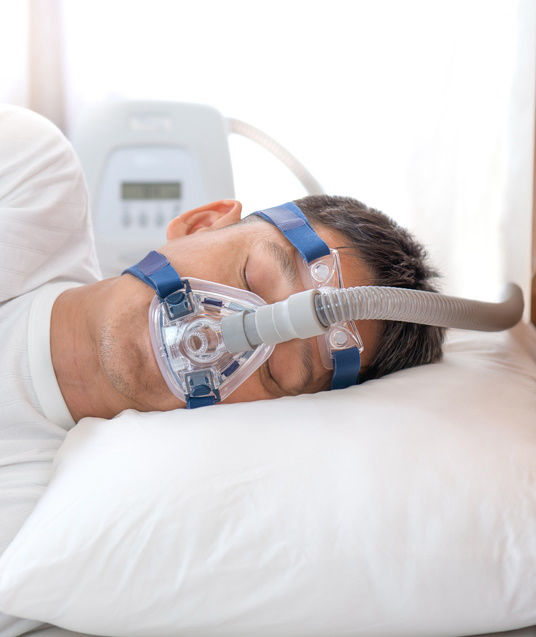
Sleep apnoea is a sleep disorder characterised by pauses in breathing during sleep. These pauses, known as apnoeas, can last from a few seconds to a few minutes and can occur hundreds of times a night. Sleep apnoea syndrome (SAS) is diagnosed when there are more than five interruptions per hour combined with excessive daytime sleepiness.
Following a cessation of breathing, there is a period of more or less normal breathing, after which periods of breathing stoppage occur again. These periods of breathing stoppage can be relatively short, varying from 10 to 30 seconds. Periods longer than 30 seconds also occur. Sleep apnoea can be caused by a number of factors, including obesity, ageing and heredity.
There are three main types of sleep apnoea:
Obstructive sleep apnoea (OSA)This is the most common type of sleep apnoea and is caused by a blockage (obstruction) of the airways, usually as a result of the muscles in the throat relaxing during sleep.
Central sleep apnoea (CSAThis type of sleep apnoea is caused by the brain failing to send the proper signals to the muscles that control breathing.
Complex sleep apnoea syndromeThis type of sleep apnoea is a combination of OSA and CSA.
Symptoms of sleep apnoea include loud snoring, frequent waking, daytime sleepiness and difficulty concentrating. For a diagnosis and treatment plan, one should first contact their GP.
Treatment options for sleep apnoea include lifestyle changes, such as losing weight or stopping smoking, and the use of special devices.

restless legs
Restless legs
Restless legs syndrome (RLS) is a neurological condition characterised by an irresistible urge to move the legs, often accompanied by uncomfortable sensations in the legs. These sensations, which are often described as crawling, tingling or throbbing, typically occur when a person is inactive or trying to sleep, and they can be relieved by movement. RLS can cause problems falling asleep and staying asleep. That in turn leads to fatigue and daytime sleepiness.
The exact cause of RLS is unknown, but it is thought to be linked to abnormal activity in the basal ganglia of the brain, which plays a role in initiating and controlling movements. RLS can be hereditary and is more common in women and people over 40 years of age. It is also more common in people with certain medical conditions, such as iron deficiency and kidney failure.
Treatment options for RLS include lifestyle changes, such as regular exercise and avoiding caffeine and alcohol, and the use of medicines that improve dopamine signalling in the brain. In some cases, treatment may also involve addressing underlying medical conditions that may be contributing to the condition. Here we are entering the professional field again, so in appropriate cases you will first need to consult your GP.

Answer first and only then click on the question to see what our answer is
Question 1: According to the text, what are the most common sleep problems?
Answer: Not being able to fall asleep, often waking up early, the feeling of not having slept while that is the case, restless legs and scary dreams.
Question 2: Which substance in the brain builds up during the day and causes sleep hunger (sleep pressure)?
Answer: Adenosine.
Question 3: According to the text, which two personality traits from the OCEAN model often suffer from sleep problems?
Answer: People with a high C (control) and a high N (negative feelings).
Question 4: What is the sleep disorder called where someone feels tired and unrested after a full night's sleep?
Answer: Non-restorative sleep (NRS).
Question 5: What are the three main types of sleep apnoea mentioned in the text?
Answer: Obstructive sleep apnoea (OSA), central sleep apnoea (CSA) and complex sleep apnoea syndrome (CompSAS).