Inner calm/peace is the foundation for a stable lifestyle. It has to do with being able to relax well. Now, everyone suffers from stress from time to time. things are just not going quite to plan. – you actually had too much to do that one day as well. – Oh.. not them again… just leave me alone now. – Will I actually manage this with this leather?
What do the Blue Zones teach us?
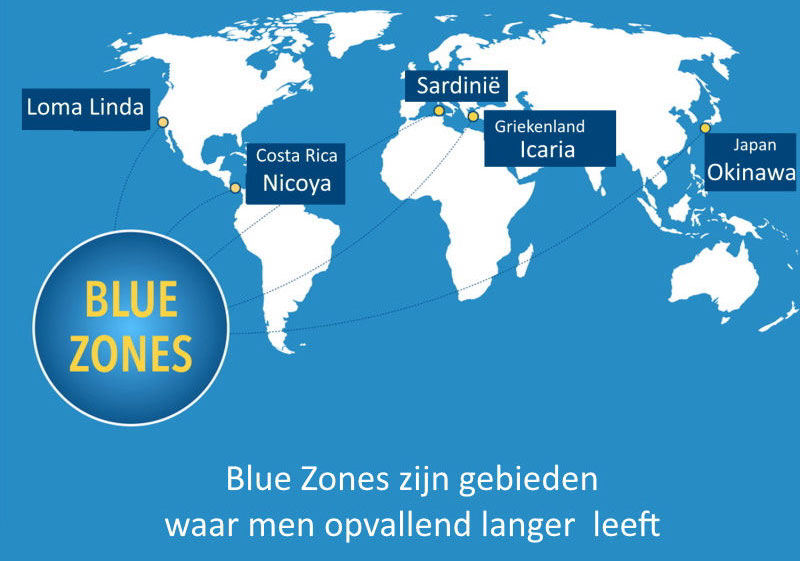
Blue zones are areas where exceptionally high lifespans are achieved on average. Extensive research has been carried out into what the characteristics of these zones are. Stress has also been studied. And what turns out to be the case?
Stress Even people in the Blue Zones experience stress. That is not strange, as a life without moments of stress is almost impossible to imagine. There too, people will experience stress when a child is born, or when a harvest fails.
Persistent stress can, as is well known, lead to chronic illnesses.
Take your time What do the longest-living people in this world have that we apparently do not? It is mainly about habits they follow to get rid of stress... unwinding. Being able to press the “down a gear now” button for a moment, that is what it is about. Okinawans take time every day to remember their ancestors, Adventists in Loma Linda pray daily, Ikarians take a nap, and Sardinians have a kind of happy hour. These are all habits that provide a counterweight to stress
Stress, what is that actually?
In the following video from Universiteit Nederland, Prof. Dr Ad Vingerhoets (Tilburg University) explains what stress is and what we can do about it. First of all, he makes clear what stressors are: reasons why stress occurs, and the concept of stress: too much is expected of you, which causes stress reactions.
The world is too hurried
Our society is changing at a rapid pace
“The world is changing at a rapid pace. Just look at the rise of all kinds of electronic devices such as smartphones and tablets. For many older people, that rapidly changing world is threatening, and that can cause stress.
You are not taken seriously
many older people feel sidelined
No, you don't need to help us… One of the reasons that causes stress in older people is the feeling of no longer being taken seriously. Words like “little madam” are, of course, exceptionally derogatory. Not being taken seriously basically means that you no longer belong. In fact, this amounts to a loss of status.
3: unpleasant events
besides time for eating, sleeping and personal hygiene
A major cause of stress among older people is experiencing distressing events such as the loss of a partner. Suffering from distressing events becomes particularly problematic when people effectively no longer think about the present and the future, but rather live in the past. For such people, mindfulness is of great importance.
4: stress and sleep
certainly not on stupid things and unimportant people
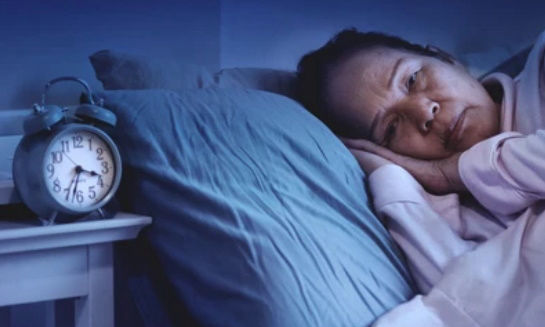
As we get older, we sleep for shorter periods. Unfortunately, older people can also suffer greatly from sleep problems. We will discuss this in more depth below. Special breathing exercises by Robbie de Jong will also be shown in the workshops. Robbie de Jong is also the author of a book that is described further below.
dreading something
for most people that is very difficult
For most who start this programme, it applies that they are breaking a certain fixed pattern. The fact that you are now starting this programme also means breaking a fixed pattern. But even more important is the fact that, by means of this programme, we want to provide insight into why it is good to have a certain lifestyle. Mind you, we are not saying that everything has to change. Of course not. But it is important that you recognise the truly wrong patterns and start doing something about them.
health relapse
step by step
Experiencing a decline in health can certainly cause stress, especially in older people, and that is of course completely understandable. As people age, the likelihood of chronic conditions also increases. That can cause a lot of stress. Therefore, thinking differently about health, such as happens with “positive health” for example, is such an important factor. After all, this is primarily about the question of what you can still do with enjoyment given your condition.
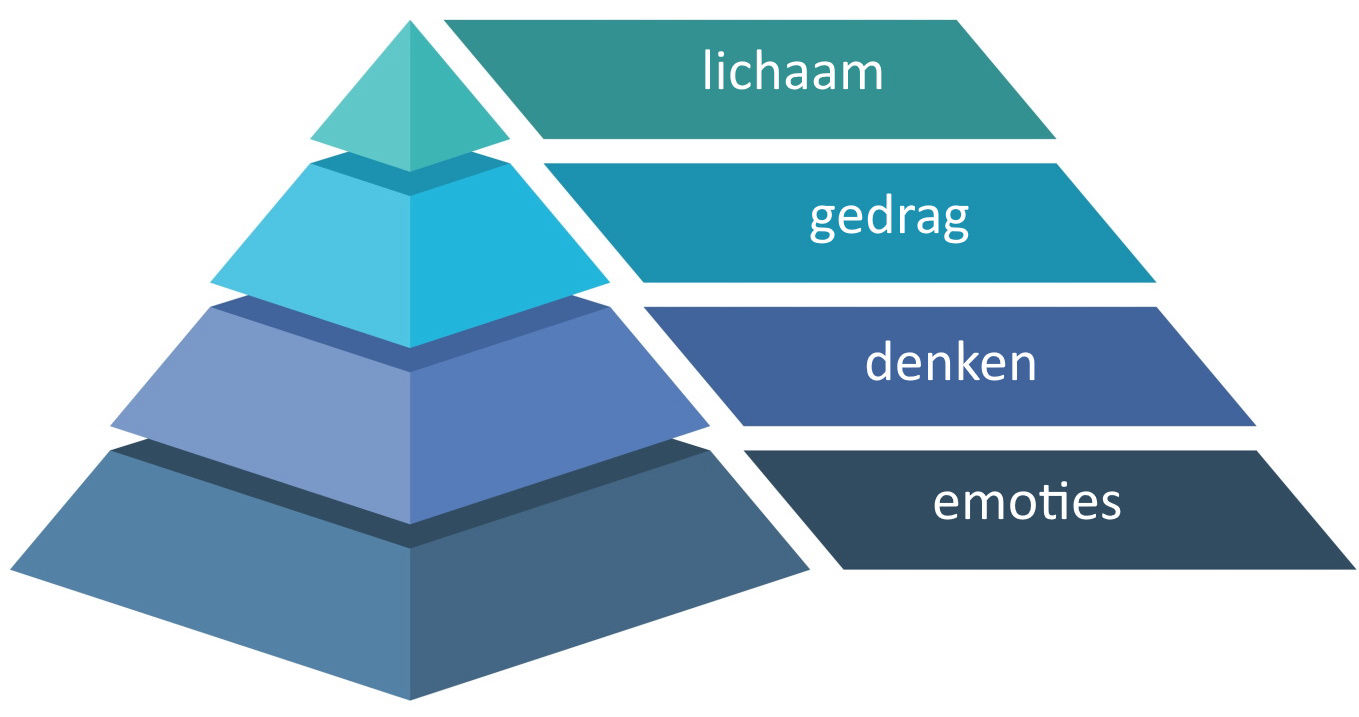
Stress reactions
We will reiterate the points that were raised in the video:
Emotional subjective level What does stress do to you on an emotional level? You feel depressed, anxious, etc.
2. Cognitive level How stress affects your thinking. You start worrying. It could be that you can no longer get your thoughts in order at all. That you start making stupid decisions.
3. Your behaviour How do you behave? Do you isolate yourself? Do you start smoking again or start using drugs, for example?
4. Physical reactions All sorts of functions are regulated automatically (autonomic nervous system). Stress can have an influence on the nervous system. These reactions depend heavily on the types of situations that occur.
What can you do?
Relaxing is of course always good, but it does not remove the cause. And solutions to remove the causes naturally differ per cause:
If you have too much on your plate, you might need to learn to say no. For that, we have the course Assertiveness developed. If you feel isolated, take a look at our course Improve your contacts. In the event of the loss of a partner, we have the course Grieving process developed. Combating stress is also very much linked to how physically strong you feel. Just think of the workouts that we give. Then there are courses for people who struggle to make choices and consequently experience stress: course Making choices. We have indicated how important self-direction is: making decisions yourself that are necessary. If you would like to know more about that, you can look at the course Self-direction.
There is a test based on which you can check whether you are suffering from stress and what you can do about it. General guidelines are:
contact your GP
are you looking for moments of rest (think of the blue zones)
explore breathing exercises
if you are stuck in the past: look what mindfulness mean for you. Have a look at the following video. .
An introduction to mindfulness. Mindfulness is a meditation technique that works very positively for many.
task
There is a test you can use to check if you are suffering from stress and what you can do about it. General guidelines are: – contact GP – do you look for moments of calm (think of the blue zones) – check which tips are of interest to you - if you are stuck in the past: take a mindfulness course; – eat healthily (take a look at our recommendations). Have a look at the following video too.
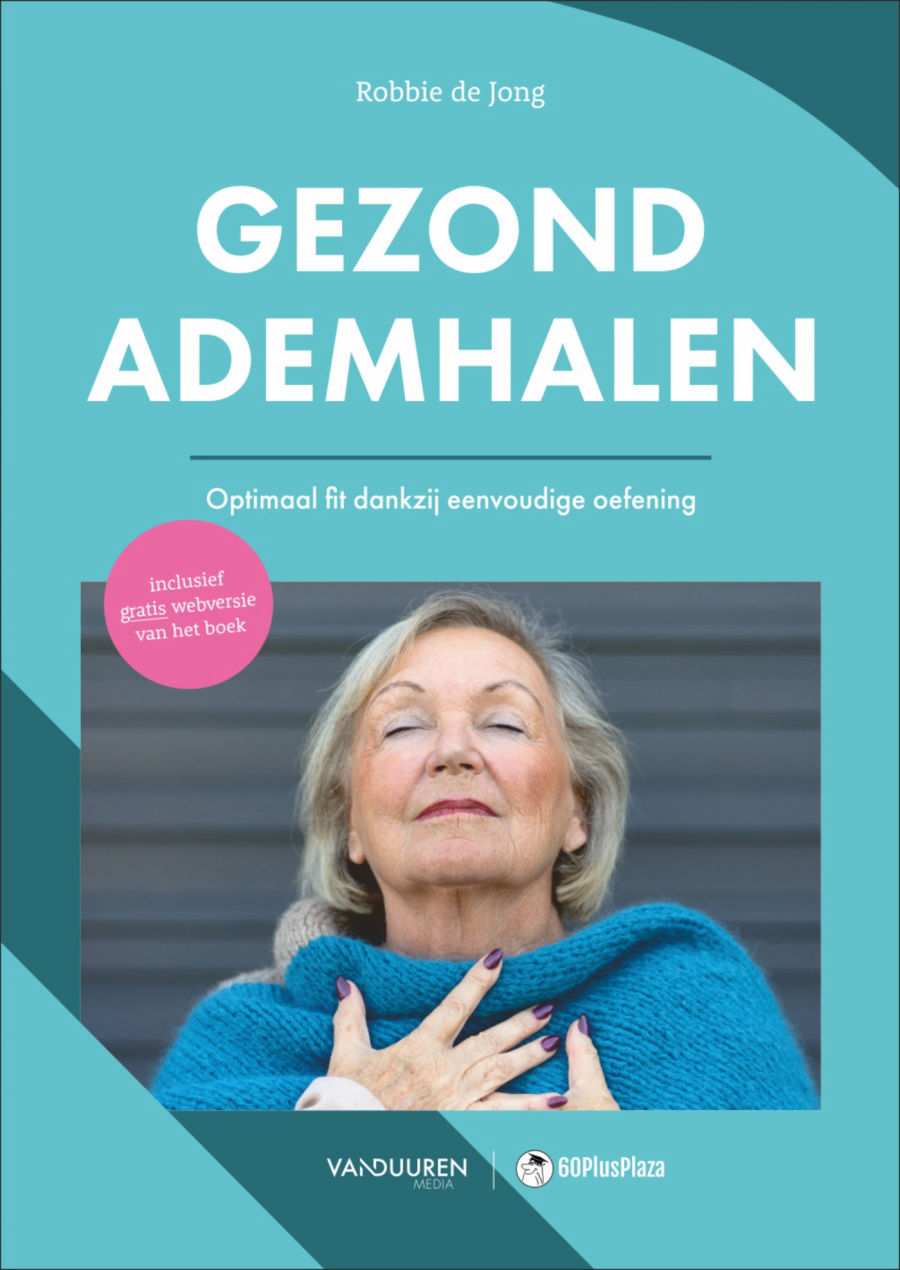
One of the first possibilities we would like to point out is special breathing exercises. 60PlusPlaza, together with Van Duuren Media, has taken the initiative to publish a book on this subject featuring Robbie de Jong as the expert.
Breathing properly is a highly effective way to tackle stress, fatigue and pain. And that is necessary, because many people suffer from physical and psychological complaints associated with an incorrect breathing pattern. The restlessness and physical discomforts caused by incorrect breathing are in many cases not insignificant.
The book contains many tips and breathing exercises with which you can kick-start your recovery in a dead simple way and give your health a major boost. The practical and effective breathing exercises in this book bring peace, energy and relief.
The following video shows an example.
An exercise met Robbie de Jong
Sleep problems
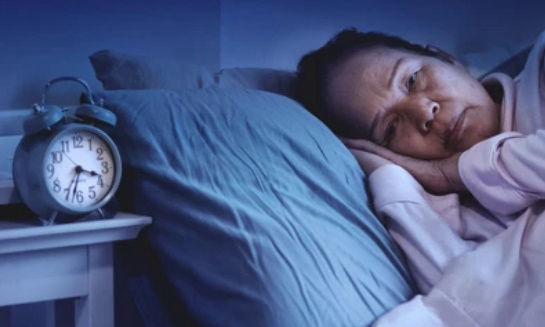
An extensive study by Statistics Netherlands (CBS) reveals the scale of the sleep problem and how these issues worsen among older people. We quote: …as we get older, sleep problems increase. Of 12- to 16-year-olds, 8 percent say they have had sleep problems, of 40- to 50-year-olds this is 19 percent, and of those aged 75 and over even 28 percent. For all age groups, more women than men report sleep problems. Of all women, almost a quarter could sometimes not get to sleep. That is well over one and a half times as much as for men (15 percent). as we get older… (end of quote) Reason enough to pay extra attention to this. We shall start with an introductory video.
Sleep problems and how they to be solved
What can you do?
We assume that if you sleep poorly more than twice a week, you genuinely have sleep problems. Furthermore, you must be experiencing a decline in your daily functioning as a result.
Poor sleep can be the result of: drinking too much coffee - let's do some sports yet – pregnancy and menopause – stress, for example due to overthinking
The main tips are: – bring structure to your life – ensure relaxation (see what you can do about stress) – sport during the day – leef gezond
Bij ernstige slaapstoornissen waarschuw de huisarts.
task
Doe de aangegeven stress-test en kijk daarna welke aanbevelingen voor jou het beste zijn.