Science today for a healthier tomorrow
Nutritional requirements
Your nutritional needs depend on various factors, such as:
An excellent source of information on nutrition is the Voedingscentrum.
This is how your metabolism – the process of processing food and drink – slows down as you get older. When your metabolism slows down, your body naturally doesn't burn as many calories either. That in turn means that you essentially have to eat less to maintain a healthy weight.
However, the food you eat must, of course, be as rich in nutrients as possible. As you get older, your body produces less of the substances needed to digest food.
This concerns important nutrients such as folic acid and vitamin B6 and B12, among others.
Below is a video from the Netherlands Nutrition Centre about the balance between how much you eat and drink and your body's needs.
The older you get, the less energy your body burns, for example because you tend to move around a bit less or because your muscles decrease in size (and muscles burn a lot of energy). If, over a longer period of time, you take in just as much energy from food and drink as you burn, you won't put on weight. This is known as the energy balance. The trick, therefore, is to stay in balance as you get older.
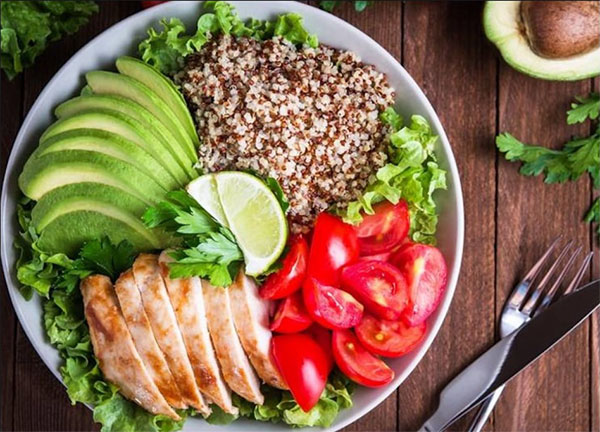
To stay vital and healthy, it is important to pay close attention to your diet and make any changes to it that were not necessarily required a few years ago.
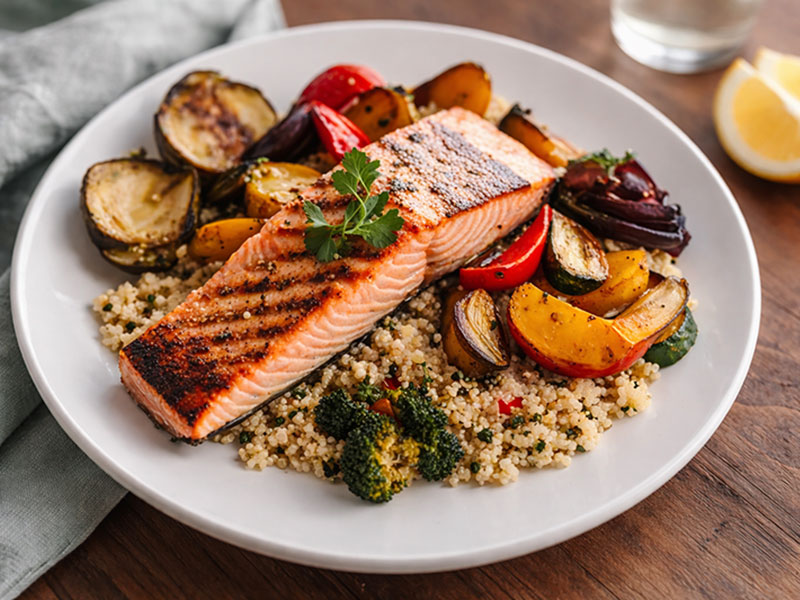
For example, it is important to get enough healthy fats. Choose healthy fats from seeds, nuts, avocados, oily fish and plant-based oils instead of saturated fats and trans fats. The following video is specifically about what can happen in older seniors and people suffering from dementia.
The less saturated fat you eat, the better. You can often see how much saturated fat is in a product on the label. Therefore, read the label when you are shopping and compare the amount of saturated fat. Pick, turn and choose!
It is also important to drink plenty of water.
To begin with, older adults have less water in their bodies than younger adults or children. Water is needed for almost every bodily function; from lubricating joints to regulating body temperature and pumping blood to the muscles. If you do not get enough water, it can have serious consequences for your health.
A video on this subject will follow now.
What happens if you were to stop drinking water?.
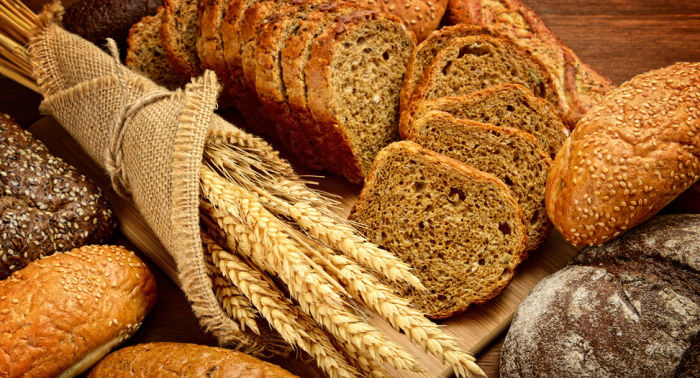
In addition, it is recommended to opt for wholegrain cereals. These fibre- and nutrient-rich foods help your digestion and protect your heart. Choose brown rice, wholegrains and wholemeal bread instead of white bread and refined grains.
It is also important to get raw fruit and raw vegetables every day. These foods help reduce constipation, provide the vitamins, minerals, fibre and nutrients you need to age healthily, help maintain your weight and reduce the risk of heart problems.
Wholegrain bread, wholegrain pasta, brown rice, wholegrain couscous: eat enough of them, and you reduce the risk of cardiovascular disease, type 2 diabetes and bowel cancer. This is how to recognise wholegrain products in the supermarket.
This video makes clear why fibre is so important.
Remember that calcium is crucial. Everyone needs calcium to protect bone health, but seniors really need to eat more calcium-rich foods, such as low-fat dairy products. A calcium supplement, usually combined with vitamin D – calcium's partner in building bones – can also help you get what you need.
A high intake of vitamin B12 is also a factor you need to look out for. As an older adult, you should also look for foods, such as breakfast cereals, that are fortified with vitamin B12. Due to the body's reduced ability to absorb B12, getting more B12 through food and supplements will ensure that your needs are met.
And last but not least, consume sufficient protein. Inadequate protein intake leads to loss of the so-called lean body mass, reduced muscle function, and even a reduced immune response to stress and infections.
Previous research has shown that protein intake at the current recommended daily allowance can lead to problems in the elderly. Therefore, some recommendations now suggest an intake of 1.2–1.5 grams of protein per kilogram of body weight per day, certainly for older population groups.
This is mainly because, compared to young adults, the muscles of older adults are less sensitive to smaller doses of protein and appear to require a larger amount of protein to fully stimulate muscle protein synthesis.
You can ensure a high protein intake by sticking to a high-protein diet consisting of lean proteins such as eggs, fish, lean meat, chicken, nuts and seeds.
In short, as the body ages, your nutritional needs will change. It is therefore of the utmost importance to adapt your diet if you want to remain vital and healthy. You can do this by getting enough healthy fats, drinking plenty of water, eating fibre-rich foods and consuming products with a high calcium and vitamin B12 content, and potentially supplementing these. A high protein intake is also very important to prevent muscle loss.
Avoid sugary soft drinks, fatty snacks and alcohol
Energy needs decrease with older age. Therefore, limit the use of products with a high energy density, such as soft drinks, alcohol and snacks. Consume more foods with a good nutrient density.
Plenty of vegetables, fruit and wholegrain products
Eat plenty of vegetables, fruit and whole grain products every day, for a good bowel movement and to lower the risk of coronary heart disease and stroke. Eat fish once a week, preferably oily fish. This lowers the risk of fatal coronary heart disease. Preferably base your diet on the Eatwell Guide.
Extra vitamins such as vitamins for healthy bones
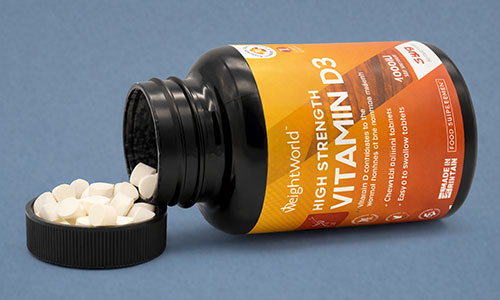
Take special care to take extra vitamin D for healthy bones. Many older seniors tend to eat pretty much the same thing every day, and consequently they certainly do not get enough variety. The aim of multivitamin supplements is to complement the diet with the vitamins and minerals your body needs.
Reduce salt
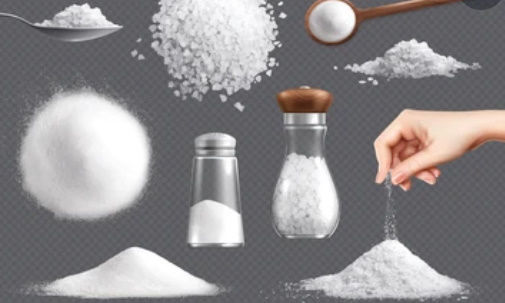
Limit the amount of salt in your diet to prevent high blood pressure and because kidney function declines. It is also important to drink enough fluids.
An adult needs a maximum of 6 grams daily, but the less, the better.
Click on the button below and find out which tips are particularly relevant to you.
On our nutrition page you will find various healthy dishes and an explanation of the impact these dishes have on your epigenome.