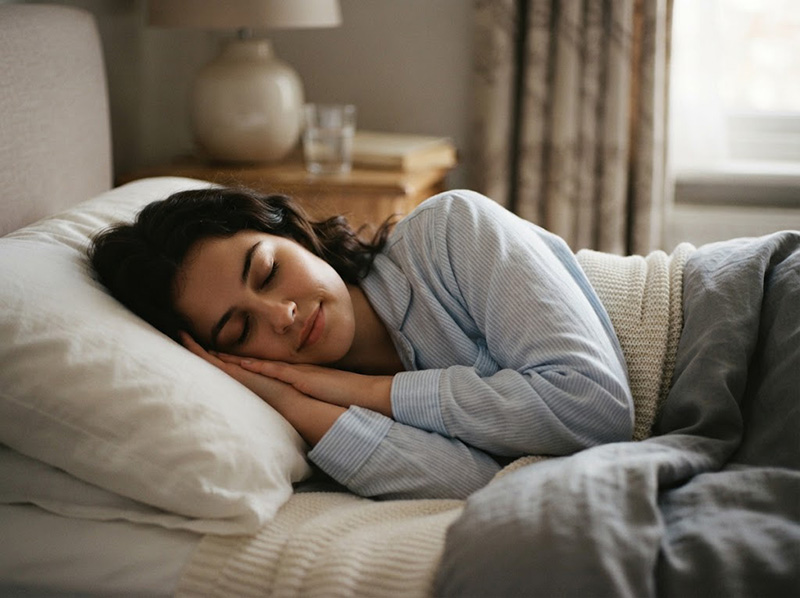
What is sleep?
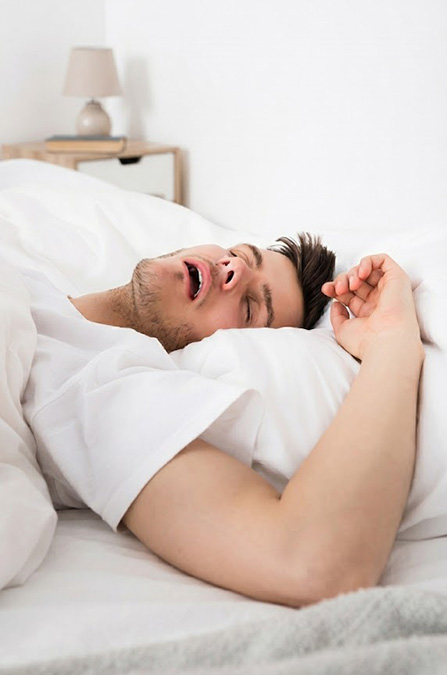
deep sleep...
What is sleep?
Sleep is a natural, periodic resting state for the body and mind. This state is characterised by a decrease in physical activity, a decrease in sensitivity to external stimuli and a change in the electrical activity of the brain. During sleep we are partly or completely no longer aware of what is happening in our environment.
During sleep, the body's muscles relax and brain activity changes. The brainwaves that we can measure are slower, heart rate and breathing slow down, and body temperature drops.
Sleep is essential for maintaining our physical and mental health, as sleep helps to repair body tissues, store memories, process emotions and support learning and cognitive functions.
The main experience of sleeping is that you are not conscious. Incidentally, that is not entirely true because during your sleep you will also have moments when you are conscious.
Usually, sleep consists of a number of sleep phases. We will discuss this in detail in a subsequent part.
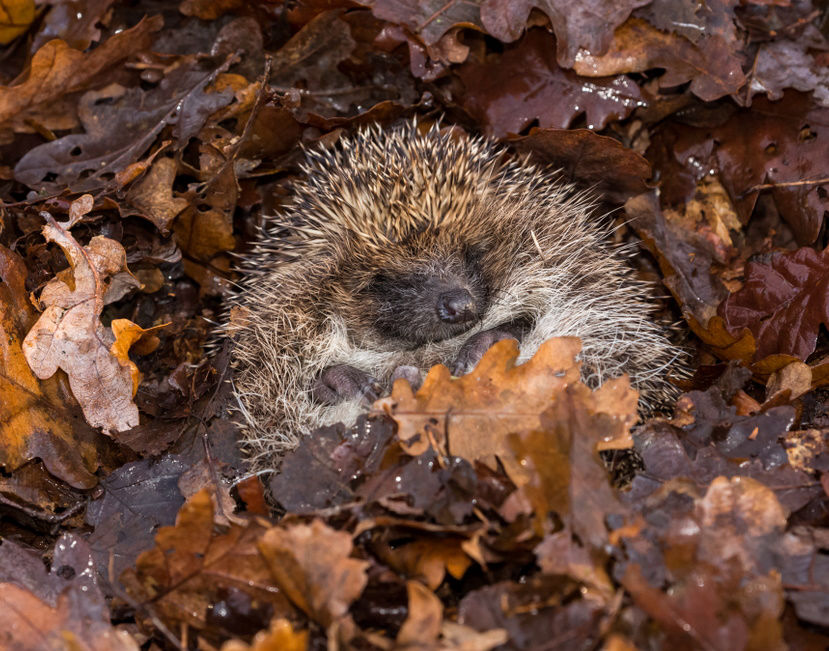
The hedgehogs have entered into so-called hibernation during the winter.
Is sleep something typical of certain animal species?
Sleep is a typical state of inactivity observed in a wide variety of animals, including mammals, birds, reptiles, amphibians and even some invertebrates such as insects and worms.
The specific characteristics of sleep can vary between different species, but all animals that sleep appear to experience periods of rest and reduced activity in which brain activity and metabolism are slowed down.
In mammals, sleep is characterised by the alternation of a sleep phase in which the eyes make rapid movements (REM = Rapid Eye Movements) and phases in which this is not the case (NREM).
Some animals, such as dolphins and certain species of bats, are known to sleep with only one half of their brain at a time, allowing them to remain alert and respond to their environment. Other animals, such as bears and hedgehogs, overwinter during the winter months and can then enter a state of prolonged sleep in order to save energy. This prolonged sleep is called hibernation.
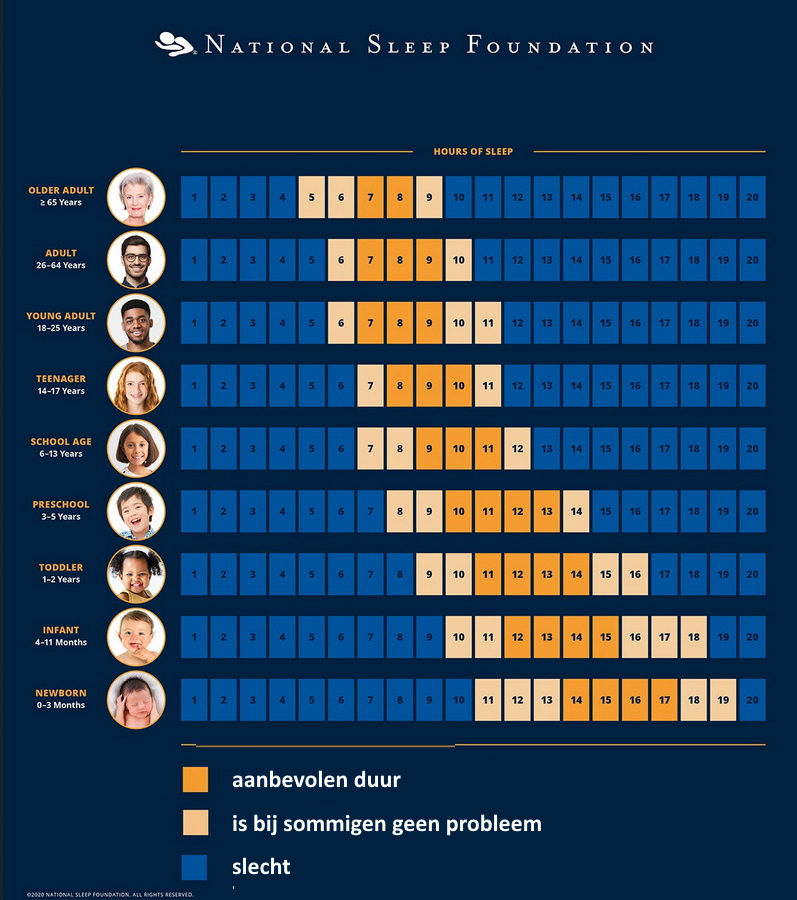
data from the US National Sleep Foundation
How long do we sleep?
Generally, the recommended amount of sleep for adults is 7-8 hours per night. Below are the recommended sleep times for older adults:
1. Adults (aged 18–60): 7–9 hours
2. Adults (aged 61–64): 7–8 hours
3. Adults (aged 65 and over): 7–8 hours
Note 1: variation
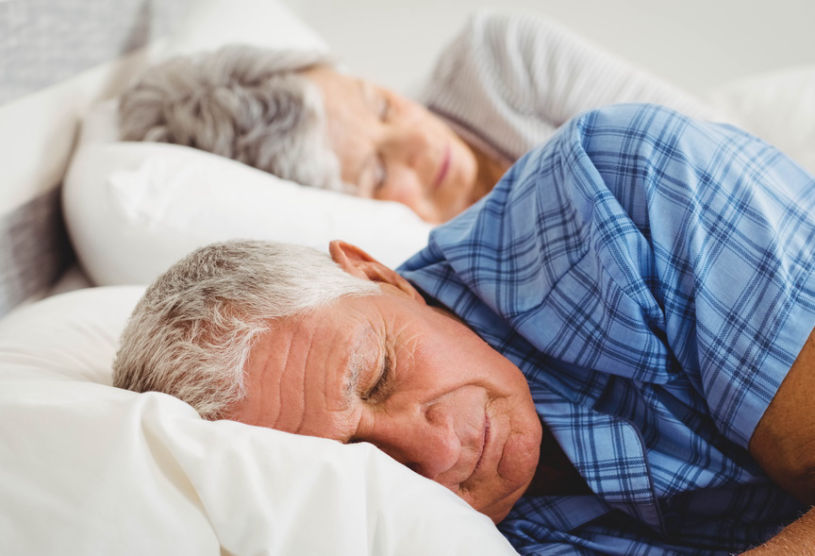
It is important to note that the actual amount of sleep a person needs can vary. This is clearly indicated in this image. It is also important to know that the quality of sleep is actually more important than the quantity.
Note 2: quality of sleep
Looking at this list, it doesn't make all that much difference whether you fall into the 18-60, 61-64 or 65+ category, but that difference certainly exists. We shall see this once we have covered the various sleep stages. In general, deep sleep decreases as you get older and light sleep increases as a percentage. As a result, older people can also wake up more quickly due to all sorts of influences.
What is the difference between sleeping and being unconscious?
Sleep is a natural resting state for body and mind, a state that is essential for physical and mental wellbeing. During sleep the body becomes less active, muscles relax and brainwaves slow down. This allows the body to repair and regenerate tissues, consolidate memories and process information.
Unconsciousness is a state in which a person is unaware of their surroundings and unable to respond to stimuli. It can be caused by various factors, such as a loss of blood supply to the brain, a blow to the head, or as the effect of certain medications or toxins. Unconsciousness can be temporary, as in the case of a person fainting and then coming round, or it can be permanent, as in the case of a coma or brain death.
In summary, sleep is a natural and healthy state of rest, whereas unconsciousness is a state in which one is unable to respond to stimuli and which can be caused by various factors.

Answer first and only then click on the question to see what our answer is
Question 1: What is the primary function of sleep for our health?
Answer: Sleep is essential for repairing body tissues, storing memories, processing emotions and supporting learning and cognitive functions.
Question 2: How many hours of sleep are generally recommended for adults aged 18 to 60?
Answer: 7 to 9 hours a night (the text also mentions that the general recommended amount for adults is 7-8 hours a night).
Question 3: What is the main difference between sleep and unconsciousness according to the text?
Answer: Sleep is a natural and healthy resting state for the body and mind, whereas unconsciousness is a state in which someone cannot respond to stimuli and is caused by external or medical factors (such as a blow to the head, medication, or a reduced blood supply).