
Vitamin C slows down ageing by iron accumulation in cells
Research has shown that the accumulation of iron in our cells is a major cause of ageing. This process, known as “ferro-aging”, causes damage through free radicals and
Research has shown that the accumulation of iron in our cells is a major cause of ageing. This process, known as “ferro-aging”, causes damage through free radicals and

Researchers are making more and more discoveries about how some animals can completely regenerate their bodies after an injury, whereas we humans cannot. The complete regrowing of lost tissue, for example

A study by the US National Institute on Aging has shown that eleven investigated substances have no effect on the lifespan of mice. This programme, called the Interventions Testing Program

Researchers have been delving into the hormone IGF-1 and its role in ageing for quite some time. IGF-1 influences the growth and repair of cells in our bodies.

Researchers are increasingly looking for effective ways to slow down ageing processes. A new approach focuses on inducing mild stress in the mitochondria, the powerhouses of our cells.

Scientists discovered a process that they call ‘ferro-aging’, in which iron accumulates in cells and causes damage that accelerates ageing. Iron is naturally important for us

The inside of our blood vessels, also known as the vascular endothelium, plays an important role in the health of our cardiovascular system. As we age, these cells can become damaged

As we grow older, an increasing number of senescent cells accumulate in our bodies. These are cells that no longer divide, but secrete substances that cause an inflammatory response. These

Researchers have developed a ground-breaking method that can reverse some age-related changes in cells. They do this by stimulating so-called DNA gaps in the nucleus of cells. DNA gaps are

In October 2026, an important congress on healthy ageing will take place in Hong Kong. The event is being organised by the Asia-Pacific Longevity Medicine Society (APLMS) and the Kitalys Institute.

Men and women differ in how they age and respond to treatments that slow down ageing. Research on mice shows that the same substances are not equally effective in both sexes.

Psilocybin is a substance that occurs in certain mushrooms and is best known for its mind-altering effects. Recently, a scientist has been investigating whether regular use of psilocybin might have an effect on

New research shows that antiretroviral drugs can lower biological age. These medications, originally developed for the treatment of HIV, block the copying process of so-called retrotransposons. Retrotransposons are

Researchers discovered that our genes have a much greater influence on how old we live to be than was previously assumed. Until now, scientists assumed that mainly our living environment and

Scientists are conducting new research into medicines and techniques that can slow down ageing and improve health. An example is rapamycin, a drug that helps cells

As we get older, our immune system changes and becomes less effective at fighting infections. This is linked to a decrease in the production of new immune cells. Also

New research shows that a combination of two substances can reduce the effects of old age on muscles and bones. Scientists studied the effects of nicotinamide mononucleotide (NMN) and apigenin in

The ageing of the heart is an important subject in the search for better health in later life. Researchers are studying a new form of programmed cell death, called PANoptosis, which

Scientists from Rubedo Life Sciences have announced the first positive results of a new anti-skin-ageing drug. This drug, RLS-1496, works by clearing out senescent cells
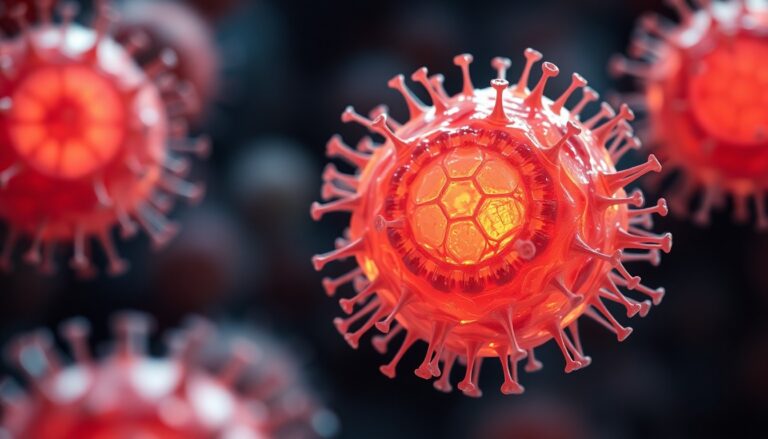
Researchers have discovered a promising development that could potentially make CAR T-cell therapy more effective in the treatment of solid tumours. CAR T-cell therapy is an innovative treatment in which the patient's immune cells are
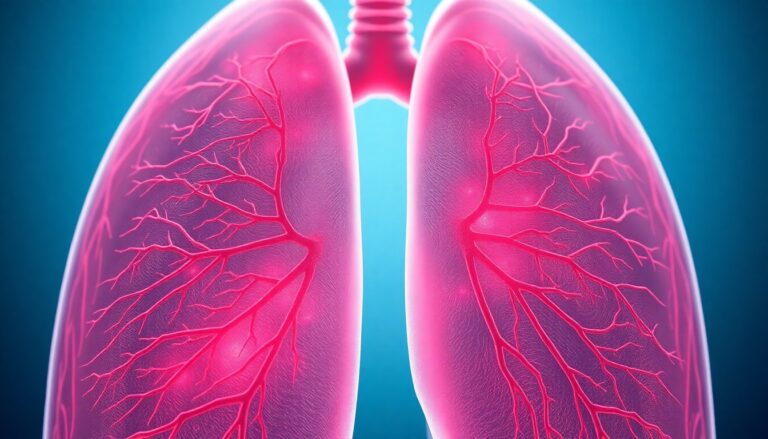
Pulmonary fibrosis is a serious condition in which scar tissue in the lungs makes breathing increasingly difficult. This disease occurs mainly in the elderly and often progresses slowly but irreversibly. Research shows

As we age, harmful cells build up in our bodies. These cells stop dividing, but do not die. As a result, they accumulate in tissues and cause

Researchers have discovered a link between a growth hormone substance, FGF21, and the slowing down of wear and tear on the intervertebral discs. This wear and tear, also known as intervertebral disc degeneration, is a major cause of

As we age, our bodies change, including how our adipose tissue functions. Scientists discovered that an enzyme, Pck1, plays an important role in keeping fat cells healthy. This