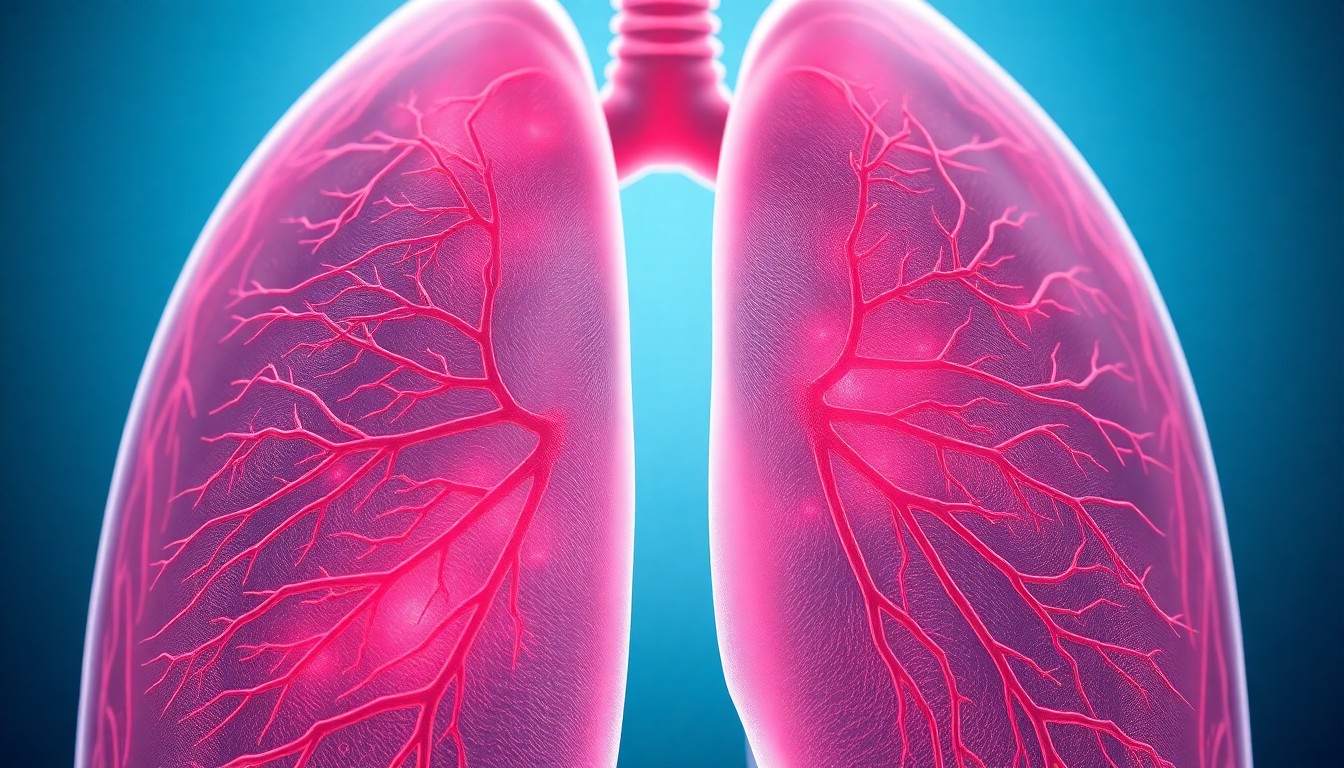
Pulmonary fibrosis is a serious condition in which scar tissue in the lungs makes breathing increasingly difficult. This disease occurs mainly in older people and often progresses slowly but irreversibly. Research shows that ‘cellular senescence’, a process in which cells age and no longer function properly, plays an important role in the development of this lung condition.
A well-known protein, BCL-2, actually helps older cells not to die. This slows down the recovery of the lung tissue and contributes to the accumulation of damaged cells. By allowing these cells to persist, scarring can continue to increase. Scientists are researching how they can influence this process to promote lung recovery.
There are already medicines, known as senolytics, that purposefully clear out senescent cells. These agents were used in initial studies on pulmonary fibrosis and showed encouraging results. Even so, developing these medicines for this disease remains a challenge and they are not yet receiving full attention in the pharmaceutical world.
New treatments aimed at clearing out senescent cells offer hope for people with pulmonary fibrosis. Research into BCL-2 and cellular ageing may also contribute to a better understanding of other diseases of ageing. Developments of this kind are important because they help make healthier ageing possible.
Source: Reason






