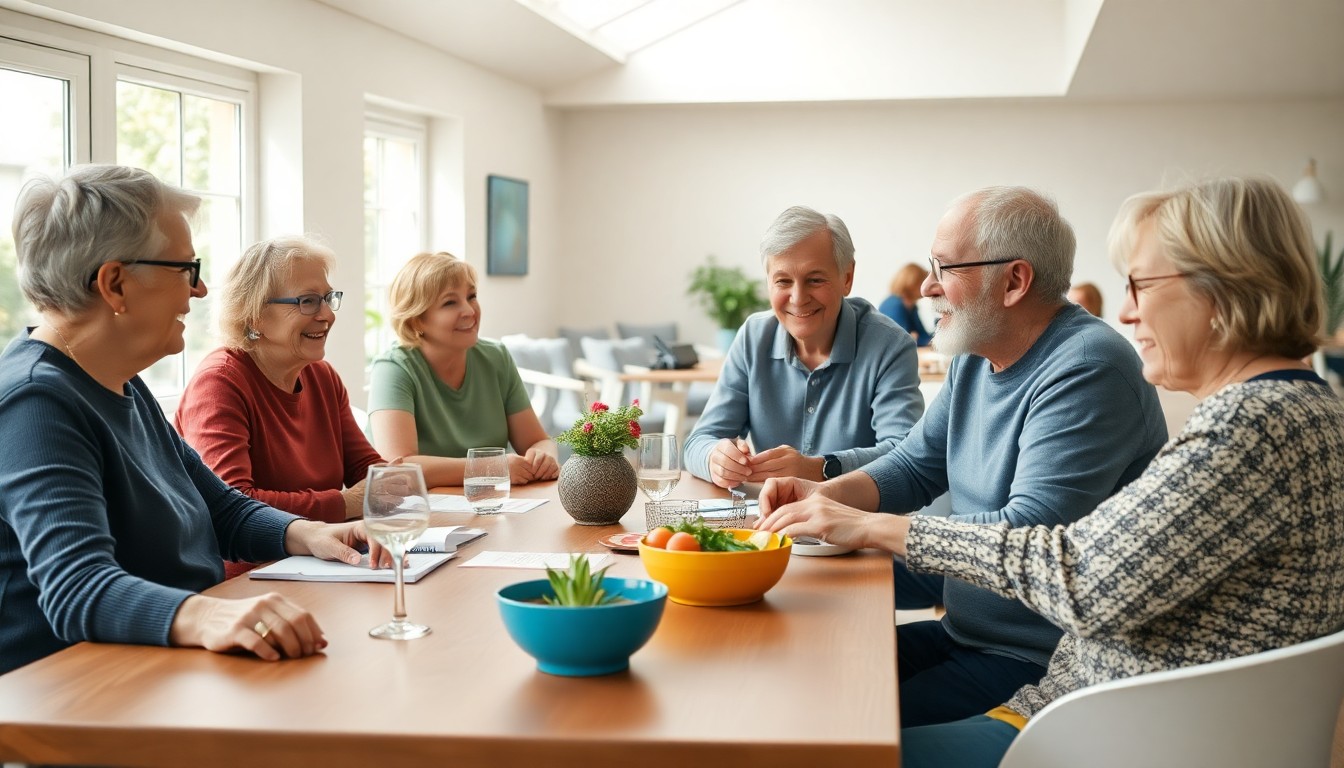
New research shows that older adults who maintain active social contact live longer than peers who are less involved in social activities. The study followed more than 2,200 people aged 60 and over over a period of four years. Those who regularly took part in, for example, volunteering, looking after grandchildren or being a member of a club had a significantly lower chance of dying.
Social engagement means that someone has contact and activities with others. This can help reduce feelings of loneliness and isolation, which often occur among older people. By staying active in social circles, not only does mental well-being improve, but physical health does too. The study shows that these social connections can play an important role in extending life.
Various forms of social activities, such as hobby clubs, neighbourhood life and family contact, offer older people opportunities to feel useful and connected. Such involvement also stimulates physical activity and mental activity, both essential for healthy ageing. Anyone who incorporates this into their lifestyle takes an important step towards a better quality of life in later years.
This research highlights the importance of social contact alongside nutrition and exercise for a long and healthy life. It invites older people in particular to remain active and maintain their social network. In this way, social engagement contributes directly to their health and vitality.
Social connectedness turns out to be a simple and effective way to live longer and healthier.
Source: Neuroscience News






