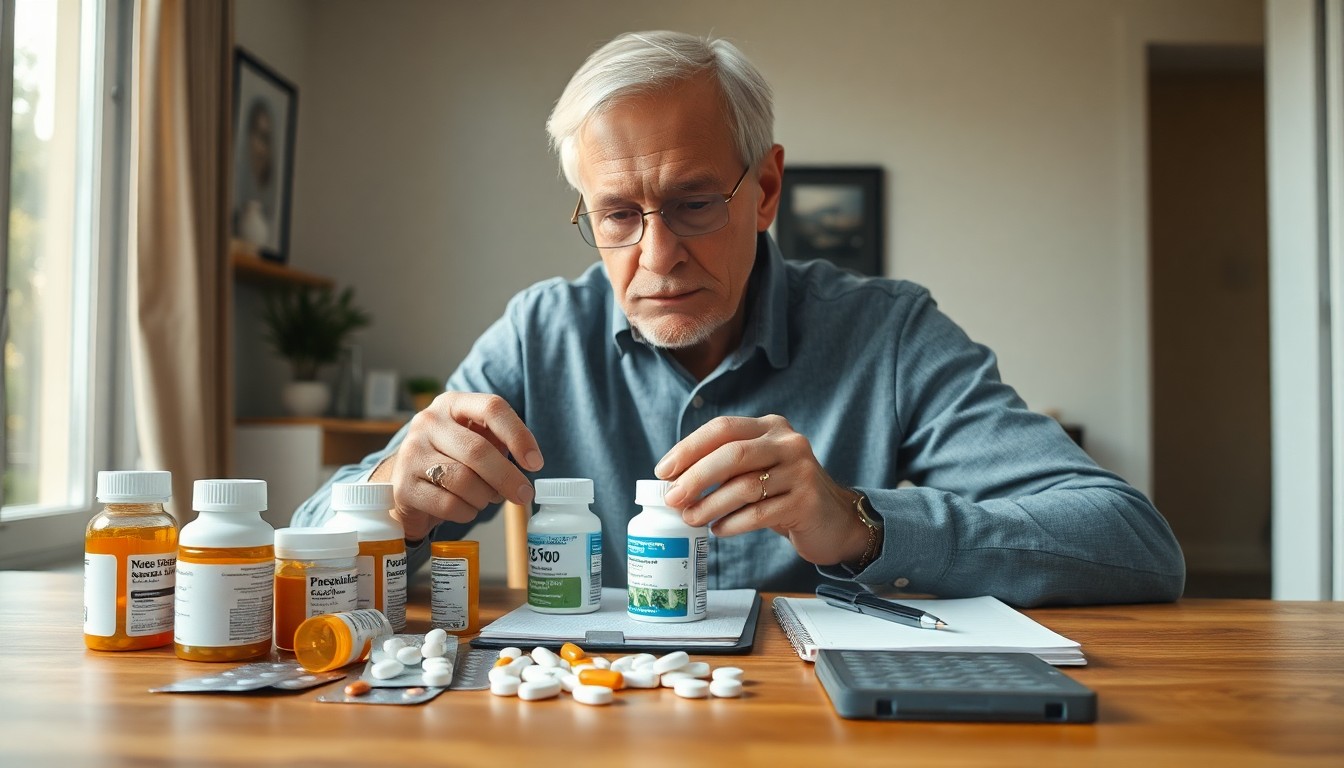
Developing new medicines is often expensive and time-consuming. Therefore, researchers are increasingly looking for new uses for already approved drugs. This process is called drug repurposing. The idea is that some existing medicines may have a positive effect on the ageing process.
Indeed, there is evidence that certain medicines can have a small effect on lifespan, for example in animal studies. Nevertheless, the effect usually remains limited and changes little regarding the major challenges surrounding ageing. It is therefore important to maintain a critical view of the value of these substances.
A good example of a medicine with a relatively large effect is rapamycin. This agent extends the lifespan of mice by approximately 20 percent. Whether this effect is also noticeable in humans is not yet clear. It is unlikely that other existing medicines have such strong effects, but small benefits may still be undiscovered.
The reuse of medicines is a practical approach that saves time and money. Yet it is no magic bullet against old age. Healthy ageing requires a broad approach in which lifestyle also plays an important role. Researching medicines remains valuable, but it must not be a reason to overlook other health measures.
This research is relevant because it shows how careful we must be with promises about slowing down ageing through medication.
Source: Reason






