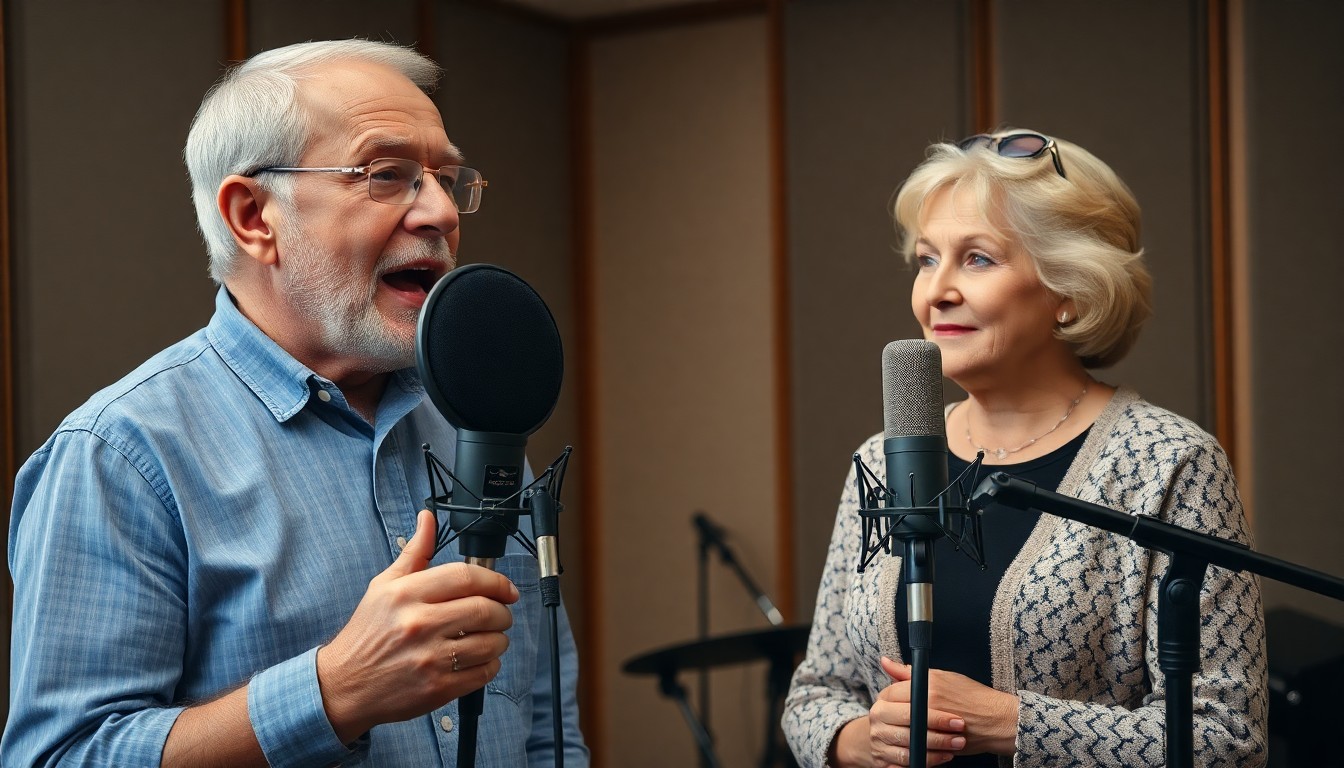
The way we experience older voices is heavily influenced by cultural ideas about age. We recognise the voices of older artists not just by their sound, but also by our expectations of what it means to be old. This influences how we assess their value and significance.
Research by a Stanford scientist shows that older voices are often associated with experience and wisdom, while at the same time there is pressure for them to sound pure and young. In the music world, singers can face limitations because older people appear to be less visible. This leads some artists to try to alter their voices to sound younger.
The study also looks at the broader picture of what older voices can mean as an artistic expression. For example, in operas in which older singers play a role, the beauty of their voice is not valued any less, but is instead seen as valuable and authentic. This helps to achieve a more balanced view of ageing in society.
This insight contributes to a better understanding of ageing as a rich and valuable stage of life. By actively hearing and valuing older voices, we can contribute to a society in which age is equally respected.
These developments are important for anyone who wants to age healthily and consciously.
Source: admin






