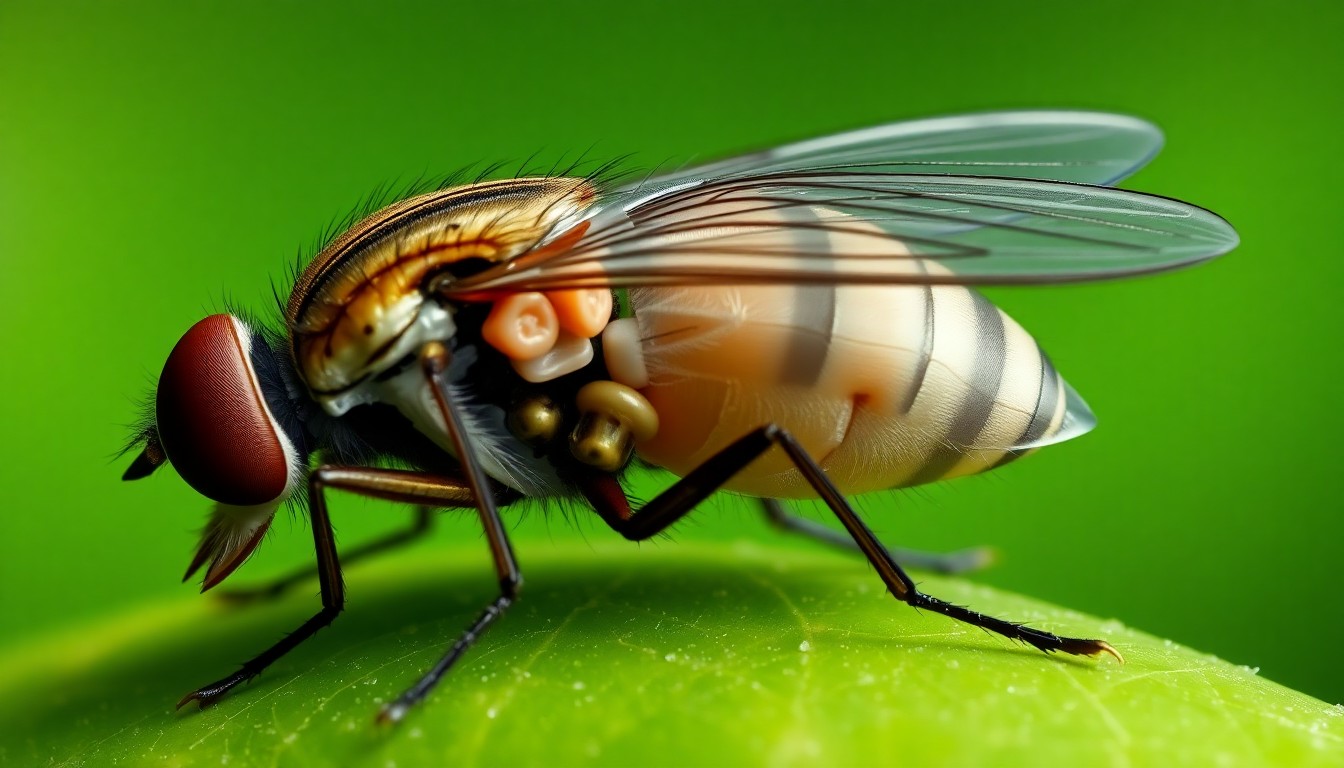
Researchers are studying how gut bacteria influence the lifespan of fruit flies. They focused on the INDY gene, which is known for its link to an extended lifespan. This gene affects the functioning of the gut, which plays an important role in the ageing process. The study shows that changes in the gut microbiome, the collection of bacteria in the intestines, partly contribute to the effect of this gene.
The gut microbiome consists of thousands of different species of bacteria and other microorganisms. Scientists are increasingly discovering that these gut bacteria are essential for our health and ageing. The new findings underline that not only genetic factors are important, but also the composition of the microbiome. This may explain why some organisms with the same genes live longer than others.
Although the research was carried out on fruit flies, the insights offer valuable starting points for humans. A healthy gut can contribute to a better metabolism and fewer inflammations, which is positive for a long and healthy life. It also underlines the importance of diet and lifestyle that support the gut microbiota.
These discoveries are still at an early stage and more research is needed to fully understand the complex interaction between genes and gut bacteria. Nevertheless, it is clear that our microbiome plays an important role in healthy ageing, alongside our genes and lifestyle choices.
Good gut health is therefore an important focus for anyone wanting to stay healthy in older age.
Source: Reason






