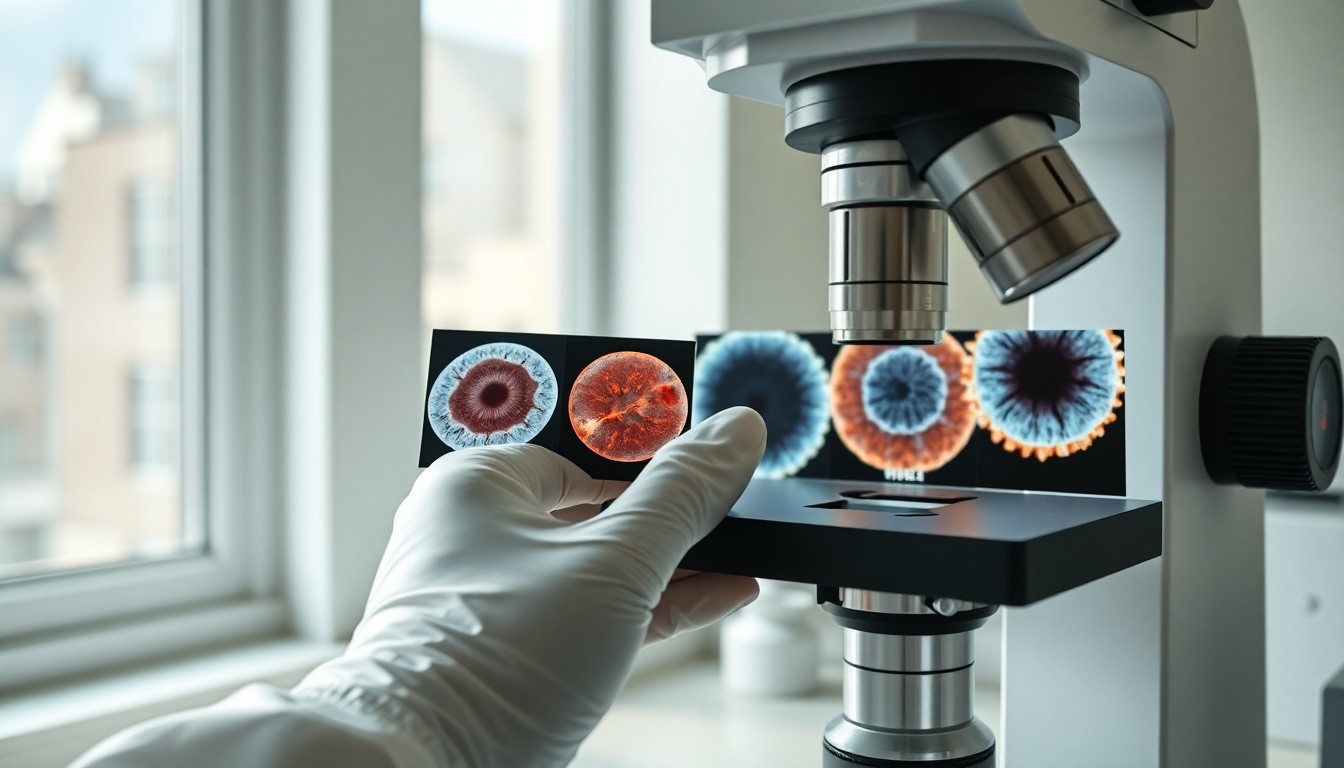
Researchers have developed a new technique to measure the aging of blood stem cells. These stem cells are important because they renew the blood and the immune system. Using advanced imaging analysis of the cell nuclei, age-related changes in the DNA can be detected. This is done through a so-called ‘age clock’, which accurately keeps track of how old the cells are.
The DNA in the cell nucleus changes in structure as we age. This affects which genes are active and which are not. These changes are partly driven by epigenetics, a process in which the readability of the DNA is adjusted without the DNA itself changing. By visualizing this process, a clearer picture of the biological age of the blood stem cells emerges.
The new method uses artificial intelligence to analyze the images of cell nuclei. Thanks to this technique, subtle signs of aging can be made visible, which are difficult to distinguish with the naked eye. This helps to better understand and monitor the health of the blood-forming system.
Measuring the aging of hematopoietic stem cells is important because these cells play a major role in how well our bodies function as we age. Aging of these cells can contribute to reduced resistance and other health problems that often occur with aging. New insights can lead to better methods for staying healthy as we age.
By better mapping the aging processes in blood cells, science is getting one step closer to extending healthy lifespan. This contributes to the pursuit of a good quality of life in old age.
Source: Reason