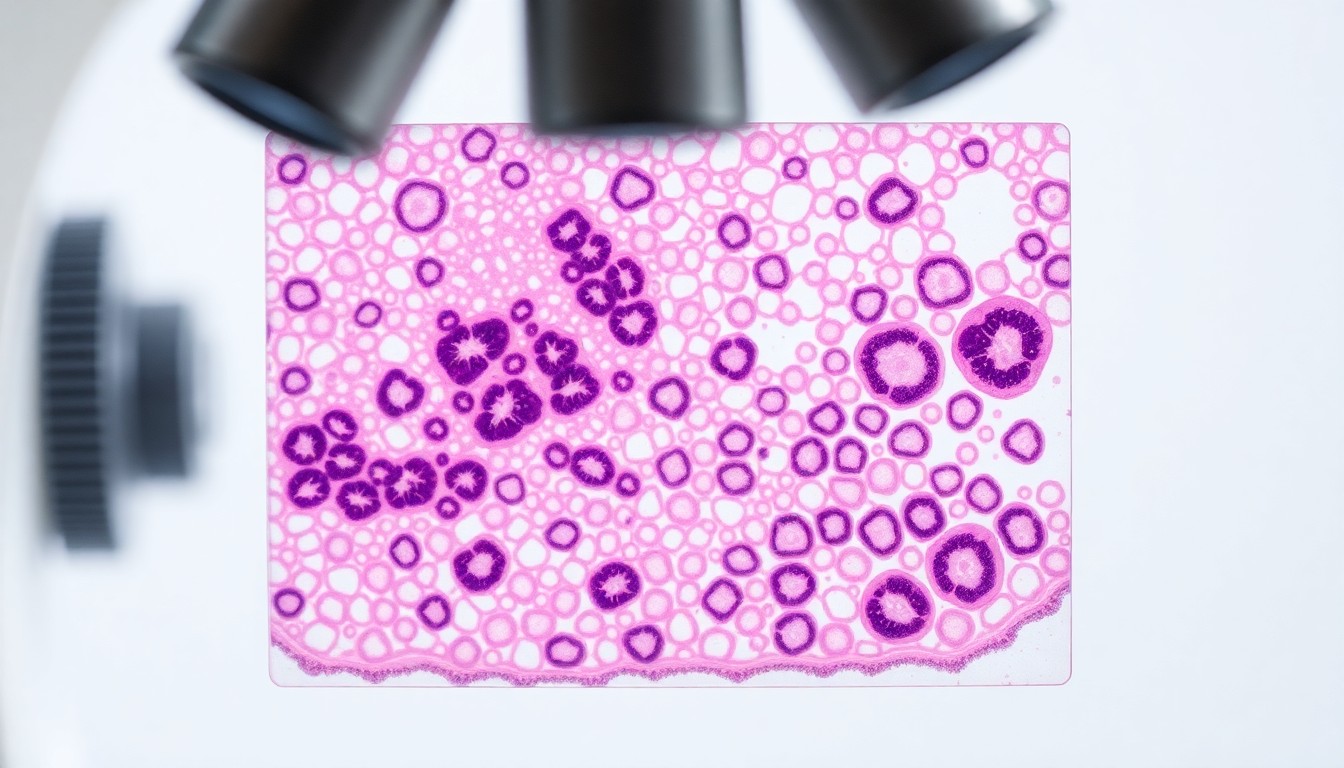
Scientists have developed a new method to determine people's biological age. This is done using tissue analysis in which thin slices of body tissue are studied under a microscope. By looking at age-related changes in cells and tissues, they can create a so-called ‘aging clock’.
This clock is based on artificial intelligence that recognises patterns from large numbers of microscope images. As a result, the biological age can be derived, which says something about the actual state of the body and the damage sustained, as opposed to chronological age. Such a clock is primarily intended for scientific research, for example to better understand how ageing processes take place.
The research uses post-mortem tissue, which means that tissue from deceased people has been analysed. This helps scientists to gain insight into the long-term effects of ageing on the body. This may soon enable them to develop better methods to promote healthy ageing.
Measuring biological age is an important tool in research into healthy ageing. It helps to distinguish who is truly ageing faster or slower, which can contribute to targeted interventions for a longer and healthier life.
Source: Reason






