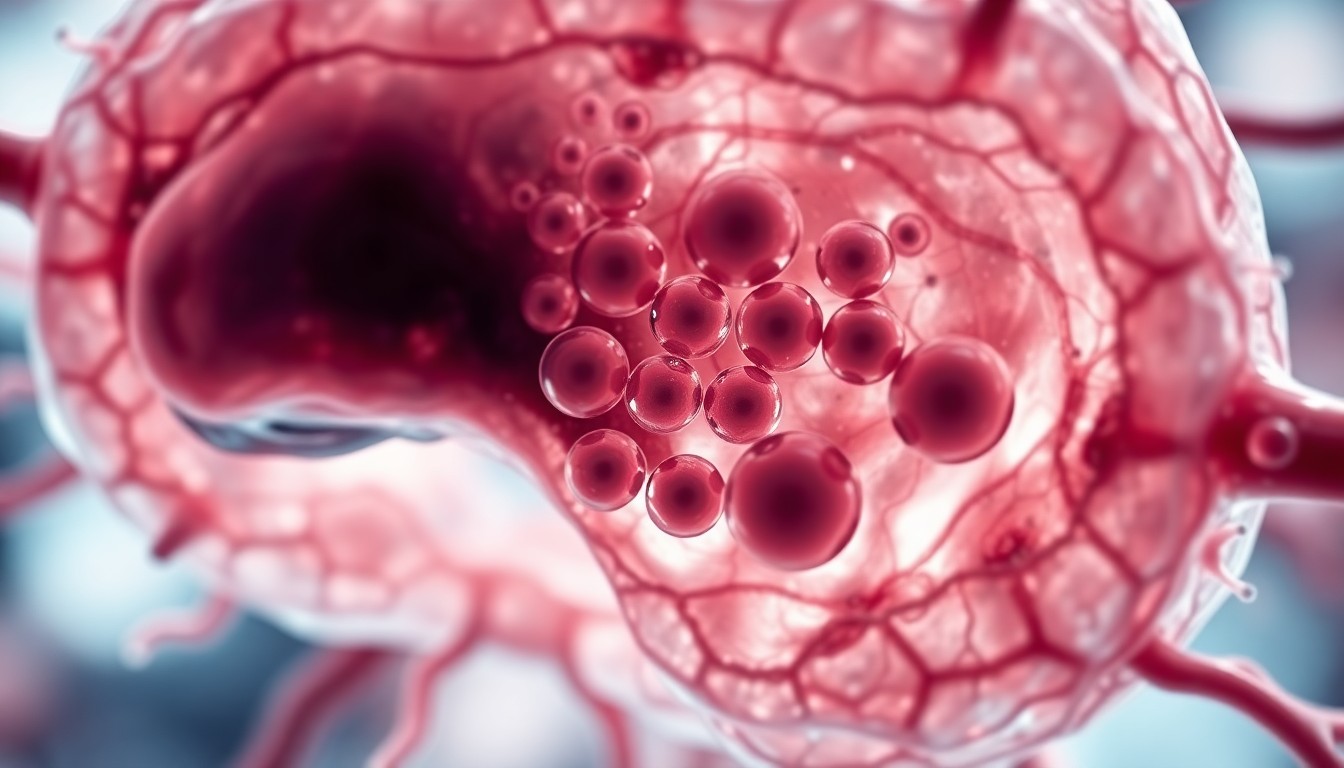
In ageing brains, an increasing number of so-called lipid droplets form within the brain cells. These are tiny fat globules resulting from disrupted lipid metabolism. This phenomenon is frequently seen in various neurodegenerative disorders, such as diseases where brain function slowly declines. Scientists suspect that this disruption contributes to inflammation in the brain.
Crucial in this are microglial cells, a type of immune cell in the brain that helps clear away harmful substances. In old age, these cells are less able to do their job and become inflamed. Research shows that this is linked to cellular ageing, also known as senescence. Senescence means that cells stop dividing and emit inflammatory signals that can damage the surrounding environment.
Because these old cells are not cleared away properly in older brains, they accumulate. This has a negative impact on the structure and function of brain tissue. The relationship between fat metabolism problems and senescent cells in the brain appears to play an important role in the onset and exacerbation of brain diseases at a later age.
These developments emphasise the importance of promoting healthy lipid metabolism and reducing inflammation in the brain. This could potentially contribute to better brain health and the longer-term preservation of cognitive functions.
Source: Reason






