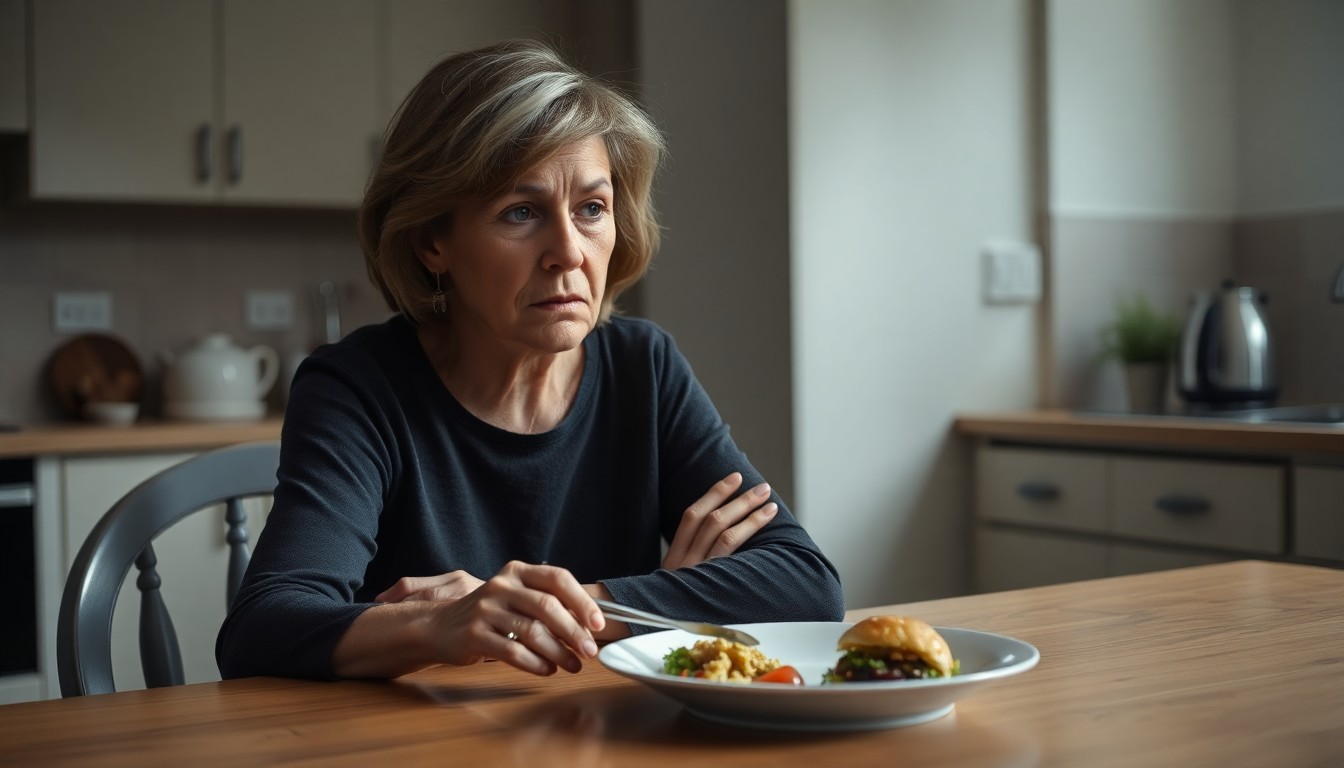
Eating disorders do not only occur in young people, but also in adults and the elderly. Despite their serious nature, they are still often overlooked in older people. People often think that these disorders are a phase that will pass by itself. That is incorrect: the consequences remain visible for a long time, even at an older age.
Inadequate nutrition has a major effect on the body. Think of lower bone density, which increases the risk of bone fractures. Memory and mood problems can also occur because the brain functions less well. In addition, the heart can sustain damage due to disruptions in the mineral balance, for example through vomiting, which can affect the heart rhythm.
Eating disorders are much broader than just anorexia or bulimia. There are also forms such as binge-eating disorder, where someone frequently eats large quantities without having control. Sometimes patterns of eating behaviour alternate, and this makes diagnosis difficult. It is often about complex biological and psychological factors that play a role, not about willpower or complacency.
Recognising and discussing eating disorders is important, including in older people. Professional help is always available and can promote recovery, regardless of age. By taking good care of yourself and seeking help in time, you can contribute to better health as you get older.
Eating disorders also have a major long-term impact on healthy ageing and therefore deserve more attention.
Source: Buck Institute






