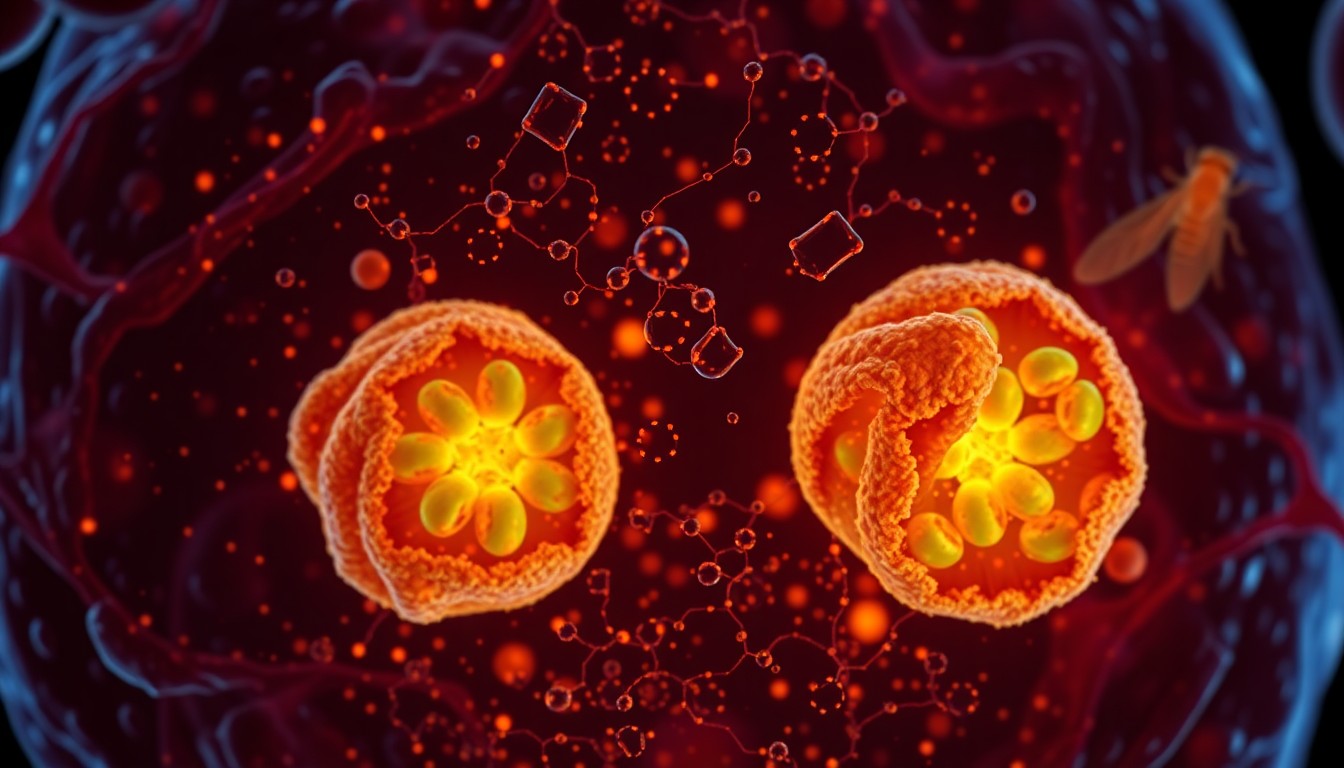
Mitochondria are tiny powerhouses in our cells that provide us with energy. As we age, their performance declines. This leads to less energy and more health complaints due to cellular ageing. Researchers investigated the effect of a protein, called FAM162A, which plays an important role in maintaining healthy mitochondria.
In a new study involving fruit flies, higher levels of FAM162A were shown to improve mitochondrial function. This resulted in stronger cells and a longer lifespan for the animals. The protein ensures that mitochondria produce energy more efficiently and suffer less damage during ageing. They also continue to work together more effectively, which is important for keeping cells healthy.
As the years go by, our mitochondria show a decline in function. For example, they produce less of the energy molecule ATP and can generate harmful substances. Studies show that improving mitochondria can prolong health and life. Although these findings were made in fruit flies, this offers new avenues for research in humans.
Therapies are currently being sought to improve mitochondrial function in older people. The idea is that this could slow down ageing and reduce health problems. This research contributes to our knowledge of how cells protect themselves and stay healthy in later life.
These discoveries underline the importance of mitochondria for healthy ageing and offer hope for new possibilities to combat ageing.
Source: Reason






