Cell stress plays a major role in ageing, as recent research shows. Our cells react to various forms of stress, such as nutrient deficiencies or damage, via a process called the integrated stress response. This process helps to reduce harmful substances and ensures that cells can recover better. However, over-activating this stress response can lead to cell death, which is detrimental to the organism.
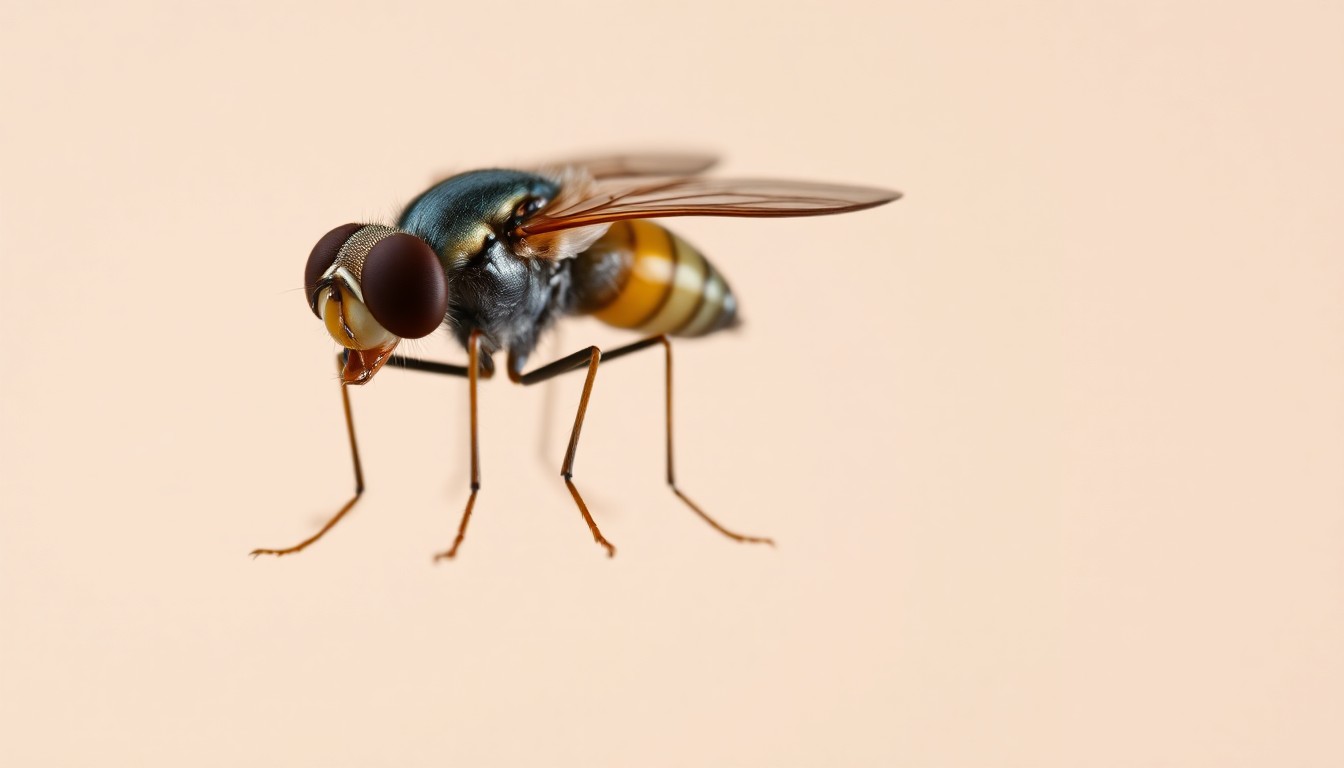
Scientists discovered that dialing back this stress response in fruit flies extends their lifespan. This means that a moderate reduction in the cellular stress response can limit age-related damage. In other animal species, such as worms, this approach works differently, which shows that the best way of influencing it can vary by species.
The challenge in influencing the integrated stress response is finding the right balance. Too little or indeed too activity can be harmful. This makes developing safe medicines complicated. Even so, various agents that can stimulate or suppress this stress response already exist, and plenty of further research is being conducted.
These findings give hope for future therapies that can slow down the natural ageing process. By better understanding and regulating the stress responses in our cells, we may be able to age more slowly and stay healthier in later life.
Source: Reason






