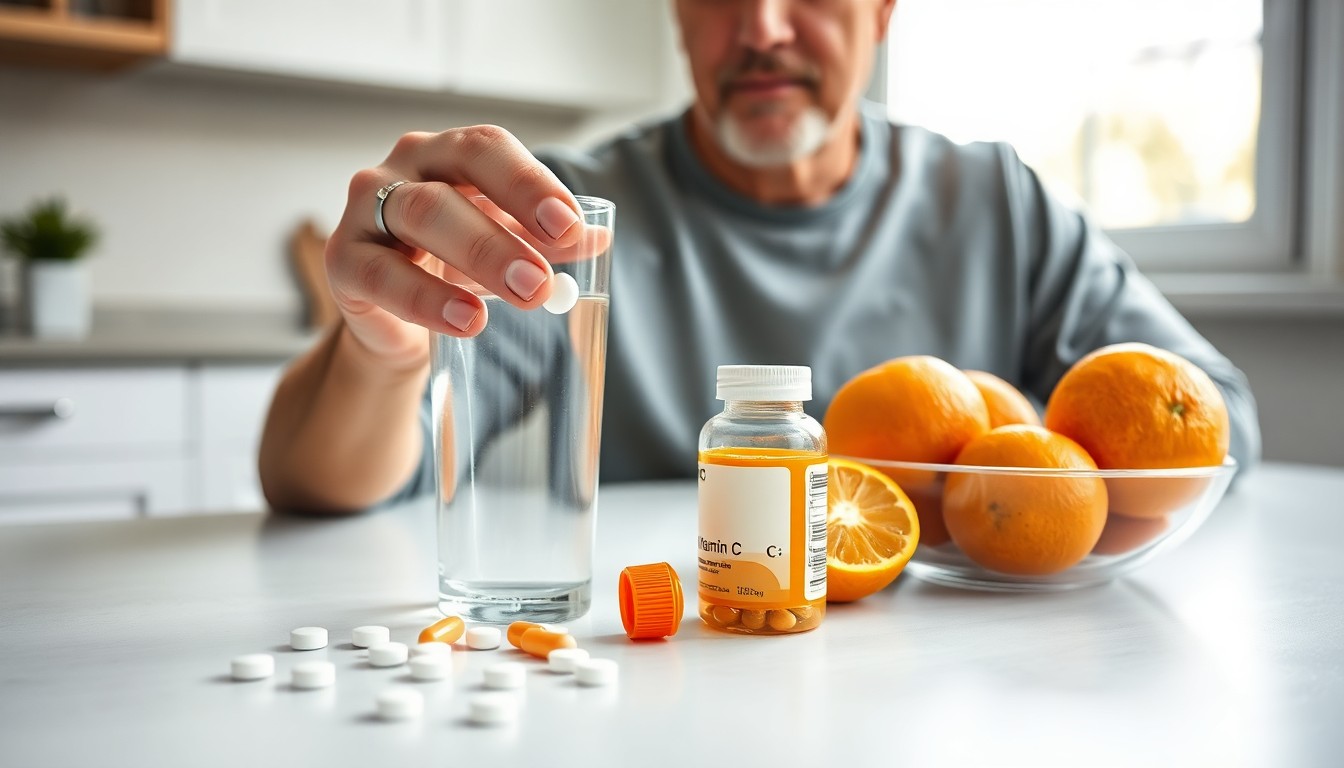
Scientists have discovered a process they call ‘ferro-aging’, in which iron accumulates in cells and causes damage that accelerates ageing. Iron is naturally important for our bodies, but too much iron can activate free radicals. These harmful molecules damage cell membranes and promote ageing.
Research on cynomolgus macaques, milk monkeys of an age corresponding to humans aged 40 to 50, now shows that vitamin C can inhibit this process. Vitamin C appeared to block the activity of a key protein involved in the accumulation of lipids in cells, thereby reducing the harmful effects of iron. The monkeys received a long-term vitamin C supplement, which protected their cells against ageing and also had positive effects on organs such as the brain, liver and kidneys.
The study brought together previous experiments with mice and cell cultures and confirms that reducing oxidative stress with vitamin C can be beneficial. Although this research was carried out in animals, the close evolutionary relationship of monkeys to humans makes these findings very promising for future applications in humans.
It is important for anyone who wants to age healthily to know that antioxidants such as vitamin C can help protect the body against damage from ageing. This research offers hope for new ways to postpone age-related complaints and remain more vital.
Source: Anna Drangowska-Way






