Our intestines contain a complex community of bacteria, also known as the gut microbiome. These bacteria produce substances that are important for the functioning of our cells. One group of such substances are polyamines, which play a role in maintaining the health of our body cells.
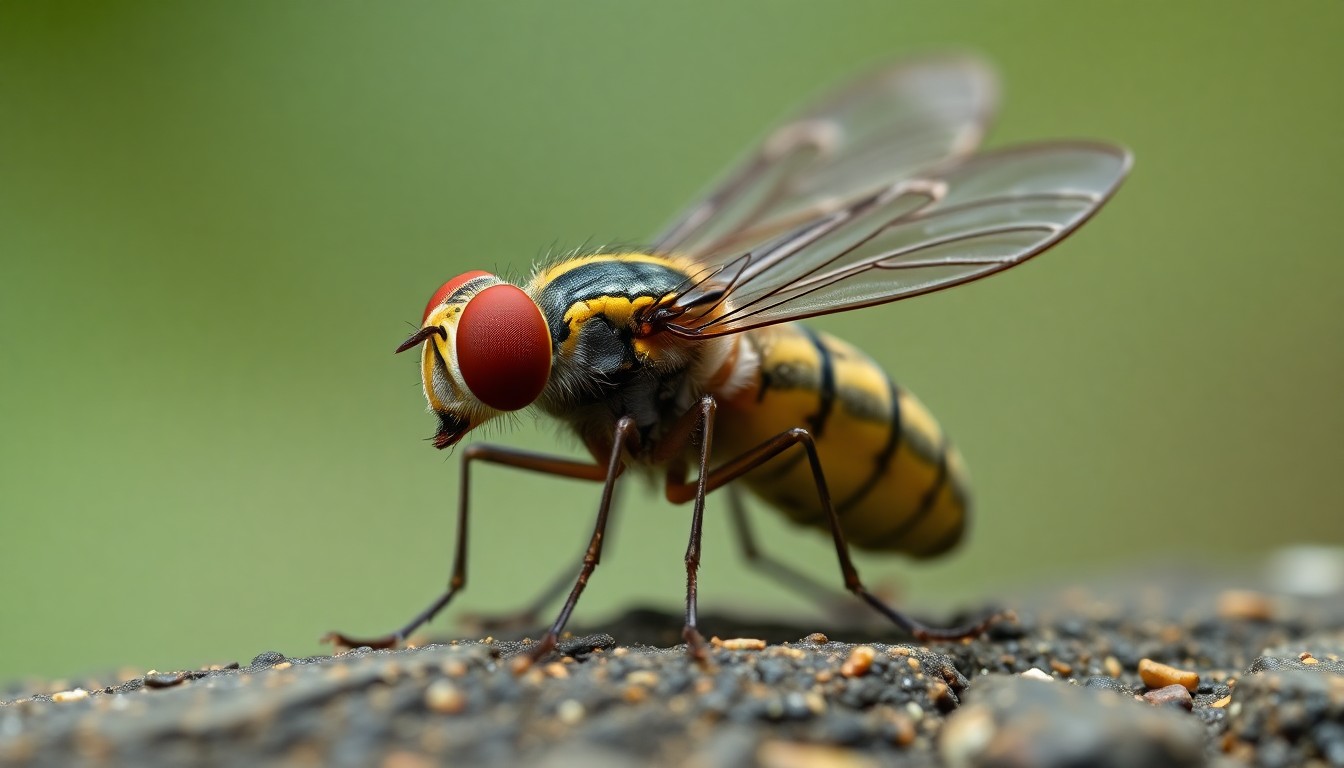
Recent research in fruit flies shows that the amount of polyamines decreases as animals age. This is due to changes in the composition of the gut microbiome. When these substances are produced less, it seems to have an impact on the lifespan and health of the animal.
The study also shows that restoring a younger gut microbiome, with more polyamines, can lead to a longer lifespan in older animals. This emphasizes the importance of a healthy gut environment for the aging process and overall vitality. The mechanism behind this is that bacterial metabolites such as polyamines are absorbed by the body and directly contribute to cell health.
For people, this means that maintaining a balanced and young gut microbiome can help us age healthily. Therefore, nutrition and lifestyle that support the gut environment can play an important role in our quality of life as we age.
Source: Reason